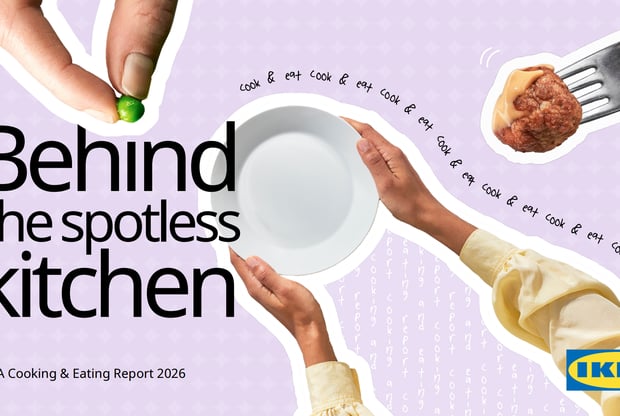
Nearly 1 in 5 people now eat dinner on the sofa, according to a new global study by IKEA that reveals how screens, space, and shifting routines are quietly transforming one of our most human rituals.
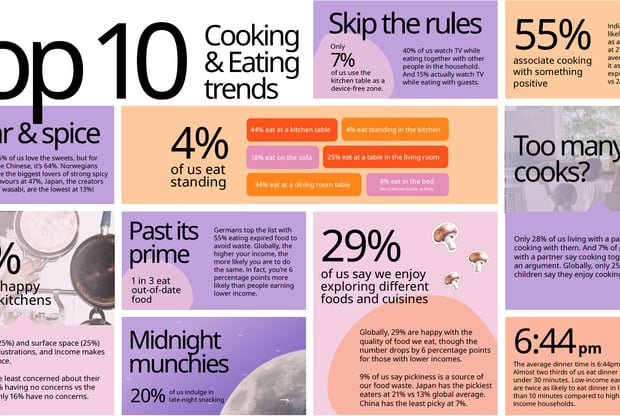
The study, one of the largest Cooking & Eating surveys ever conducted with over 31,000 respondents across 31 markets, found that fewer than half (44%) eat dinner at a kitchen table, while 18% dine on the sofa, 4% eat in bed, and another 4% stand in the kitchen. In the UK, nearly half (48%) now eat on the sofa, while 31% eat at a kitchen table.
”Despite the emotional importance of food, shared meals are under pressure,” says Lorena Lourido Gomez, Global Food Manager at IKEA Retail (Ingka Group). “Busy schedules, compact living, and competing priorities make it harder for people to come together, not just at the same time, but in the same place,” she says.
The survey also shows that only 7% of people live in households with device‑free policies at the dining table. In contrast, 54% watch TV when eating alone, and 40% do so even when eating with people they live with. Lack of time remains the biggest barrier to cooking at home on weekdays, particularly among younger generations: 38% of Gen Z and 33% of Millennials cite it as one of their top challenges. People living with children and those in fast‑paced urban environments report even more obstacles, including limited space and insufficient kitchen equipment.
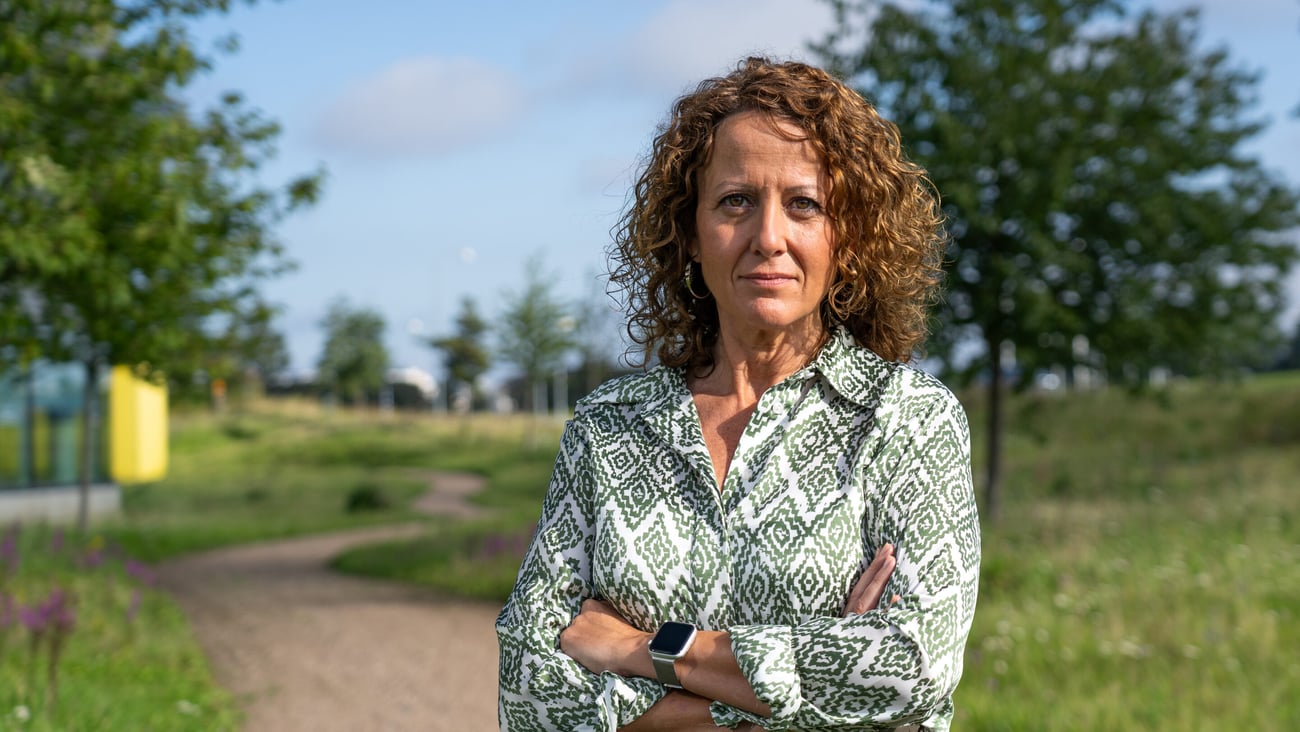
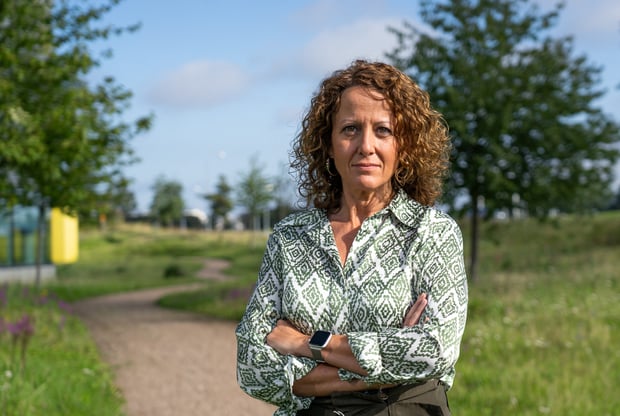
Lorena Lourido Gomez, Global Food Manager at IKEA Retail (Ingka Group)
“Together, these findings reveal how modern life is reshaping one of our most human rituals, reflecting growing concerns about loneliness and digital distraction, even as 60% say connection through food matters to them. It’s clear that food remains one of the strongest love languages across cultures. That’s why we’re putting even more focus on Cooking & Eating this year to help bring people back together around food, and to design for real, meaningful moments in everyday life.”
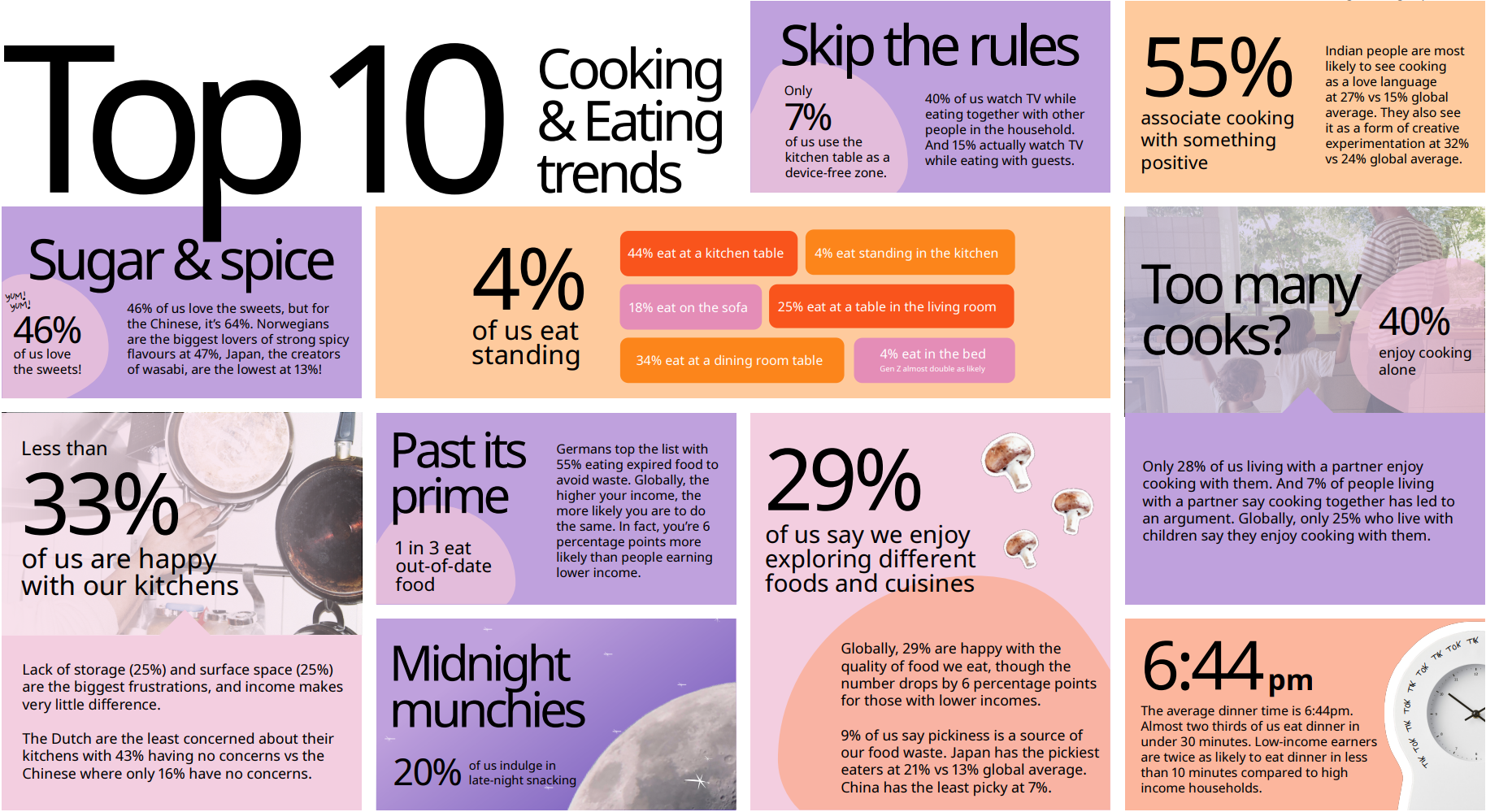
Top 10 findings from the report
- Only 44% eat at a kitchen table, others eat on sofas (e.g. 48% in the UK), in bed (4% global average), or standing in the kitchen (4%)
- Germans are the most likely to eat expired food to reduce waste (55%)
- Average dinner time: 6:44 PM, but much later in countries like Spain (8:54 PM), Finns are the earliest at 5:17pm
- Most people finish dinner in under 30 minutes. Low-income earners are twice as likely to eat dinner in less than 10 minutes compared to high-income households.
- Spicy food is on the rise (27% are spicy lovers), especially in Norway (47%), Sweden (45%) and Finland (39%)
- Sweets remain a global comfort (46%), led by China (64%), where enjoyment of sweets is the most widespread
- While eating is the most common activity around the dining table, it is far from just a place to have a meal. Dining tables are important places in the home for socialising and celebration. 31% use it for celebration and special occasions, 29% for connection and togetherness, and an equal share for socialising. For 20%, it’s a place to talk about the day, news etc. Each of these are somewhat more common among women, those who live with children, and those who live rurally.
- Meal multitasking is the norm, not the exception: 54% watch TV when eating alone and 40% do it while eating with people they live with
- Kitchen frustration is universal: lack of storage (25%) and surface space (25%) are the biggest frustrations. The Dutch have the least concern about their kitchen with 43% having no concerns vs 16% of Chinese.
- 1 in 5 people enjoy snacking at night
Where, when, and how we eat
Mealtimes are no longer tied only to the kitchen table. Across the globe, eating has become more fragmented, informal, and mobile. Americans and Hungarians are also twice as likely to eat in bed compared to other nationalities (9% vs 4%), and Brits are nearly three times more likely than the global average not to have a dining table.
While dinner remains the most shared meal of the day, even this is shifting. The average dinner time around the world is 6:44pm, but in countries like Spain, meals stretch well into the evening. As homes get smaller and schedules more varied, the traditional notion of “sitting down to eat” is being replaced by more fluid, on-the-move behaviours.
The frustrated kitchen: layout and space under strain
Across all markets, the kitchen is being asked to do more than ever before and people are feeling it. Only 32% of people say they are happy with their kitchen overall. The most common frustrations are a lack of storage (25%) and insufficient surface space (25%), and these issues appear across all income levels. In addition, 24% feel their kitchen is simply too small. While these frustrations overlap, a net share of 46% of people selected at least one of these aspects, meaning nearly half can be described as generally frustrated with having “too little space.” This feeling is especially common among Asians (53%), people living in cities (50%), households with children (51%), and Gen Z/Millennials (both 51%).
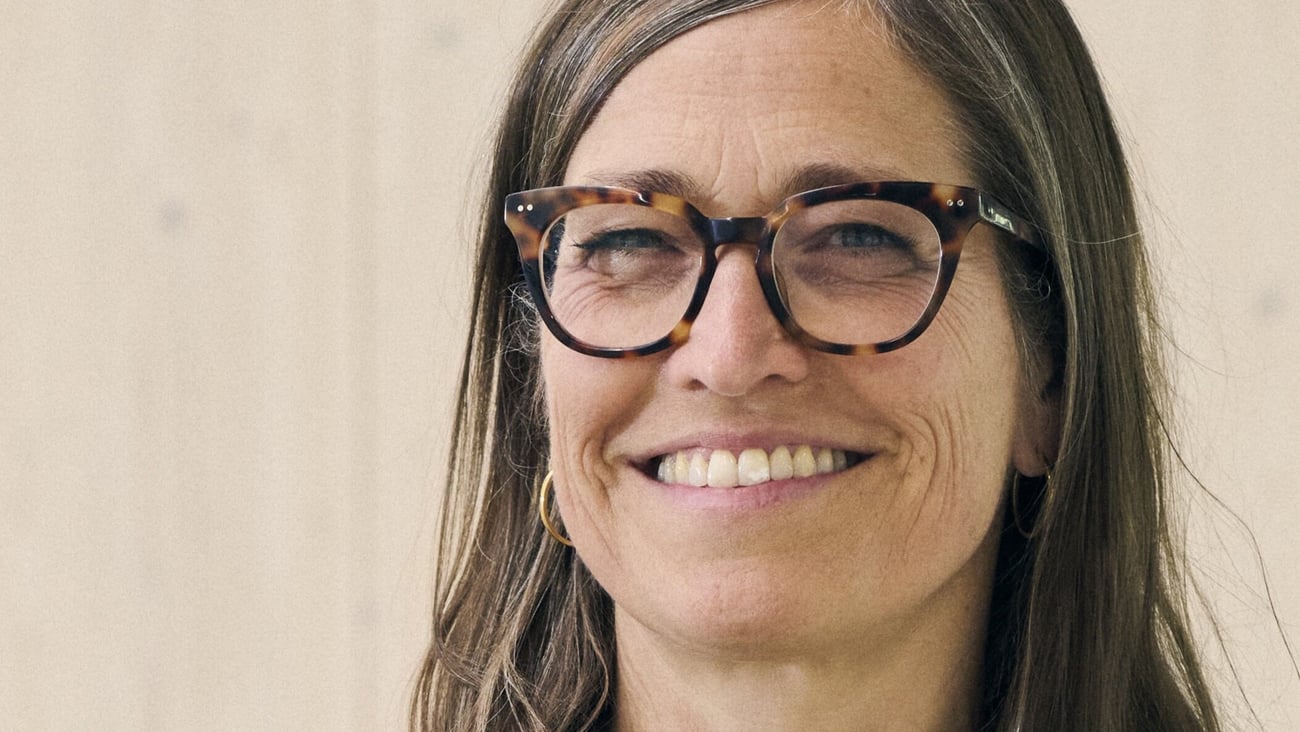
Nanette Weisdal, Range Manager for Kitchen & Appliances at Inter IKEA Group
“How we live in our kitchens is transforming. These spaces are no longer just for cooking, they’re where we gather, connect, and create memories. As homes become smaller and the kitchen naturally blends into the living room, we’ve reimagined what a kitchen can be. We know that every centimetre matters, so we’ve focused on solutions that make the most of the space people have, without compromising warmth or personality. Starting this year, and continuing in the years ahead, we’re introducing new products that help people utilise their kitchen space in smarter, more flexible ways – turning the kitchen into a welcoming living environment that truly feels like the heart of the home.”
About the IKEA Cooking & Eating Survey
The survey was conducted by YouGov for IKEA (31,339 participants across 31 Ingka markets: Australia, Austria, Belgium, Canada, China, Croatia, Czech Republic, Denmark, Finland, France, Germany, Hungary, India, Ireland, Italy, Japan, the Netherlands, New Zealand, Norway, Poland, Portugal, Romania, Serbia, Slovakia, Slovenia, South Korea, Spain, Sweden, Switzerland, the UK, and the USA). Fieldwork was conducted between August and September 2025, using a nationally representative sample weighted by gender, age, geography, and income. The Cooking & Eating report uses the key findings from the survey, it was finalised in January 2026 and provides fresh insights into global cooking and eating habits, presented across four themed chapters: Comfortable Chaos, Discomfort Foods, The Social Pressure Cooker, and Resetting the Table. The findings support a deeper understanding of how people cook and eat today, contributing to IKEA’s vision of creating a better everyday life for the many people.
More information at: https://www.ingka.com/reports/.
Here you can watch a roundtable featuring Lorena Lourido Gomez, Global Food Manager at IKEA Retail (Ingka Group), Nanette Weisdal, Range Manager for Kitchen & Appliances at Inter IKEA Group, and Claude Fischler, French anthropologist and sociologist, moderated by Katie McCrory, Positioning Leader and one of the key responsible for the Life at Home Reports in Ingka Group. Together, they explore the most compelling insights from the IKEA Cooking & Eating Report 2026. Among the key takeaways, the experts agree on one thing: the dining table remains an essential place for meaningful conversations and decision‑making at home. Even in a fast‑changing world, it’s still the spot where families reconnect, unwind, and make sense of their day:
About Ingka Group
With IKEA retail operations in 32 markets, Ingka Group is the largest IKEA retailer and represents 87% of IKEA retail sales. It is a strategic partner to develop and innovate the IKEA business and help define common IKEA strategies. Ingka Group owns and operates IKEA sales channels under franchise agreements with Inter IKEA Systems B.V. It has three business areas: IKEA Retail, Ingka Investments and Ingka Centres. Read more on Ingka.com.
Media enquiries
For further information, journalists and media professionals can contact us at [email protected] or by calling +46 70 993 6376.