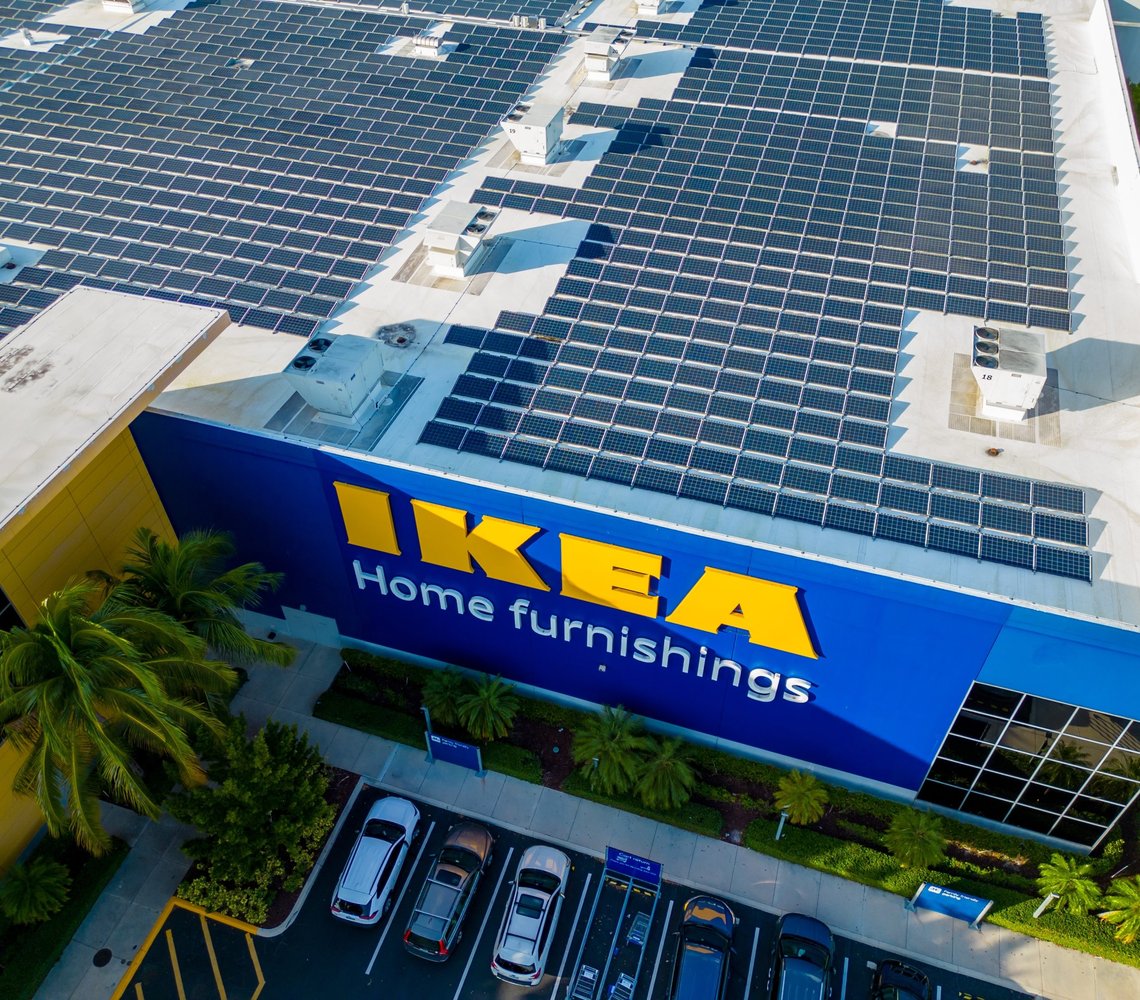
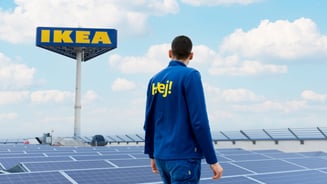
People on the roof of an IKEA store installing solar panels.

Climate, Nature & Circularity

At IKEA, we are guided by our vision to create a better everyday life for the many people. A better ​planet is a better home for us all. To live up to this vision in an increasingly complex world, we must ​play our part in tackling some of the big challenges facing humanity. ​With our size and reach, we have a big responsibility – and many opportunities – to make a positive ​difference to mitigate the worst effects of climate change and to approach the interrelated crises of ​nature and biodiversity loss, water scarcity and resource scarcity holistically.

Creating a better future

We know we have a huge responsibility –and many opportunities – to make a positive difference on climate change. As stubborn optimists, we believe that we can create a better future.

There are many existing solutions to tackle the climate crisis, but we urgently need to accelerate action. This can offer new opportunities for job creation, innovation, economic growth and reduced energy costs. And we’re proving that it’s possible to reduce our climate footprint while increasing our revenue. Since our baseline year 2016 we have reduced our climate footprint in absolute terms by -30.1% across scope 1, 2 and 3, while growing our business by 23.7% (as of FY24 ASSR Report*). We have achieved these reductions primarily through implementing carbon saving measures, such as renewable electricity sourcing and enhancing energy efficiency, however, changes in our business operations and sales have also contributed.

* Data reflects historical performance as of the FY24 ASSR Report. Greenhouse gas emissions data from Inter IKEA Group is used to calculate many of our scope 3 emissions categories. Inter IKEA Group is introducing a new reporting approach in line with CSRD legislation, to improve transparency and comparability for sustainability metrics. This means their data was not available at the time of publication of the FY25 ASSR Report and as a result we are not able to report progress against our full value chain footprint or target for FY25. We will report on our full FY25 scope 3 climate performance in our ASSR FY26.​

We aim to become net zero by 2050

At IKEA, we are committed to the Paris Agreement and to contribute to limiting the global temperature rise to 1.5°C above pre-industrial levels. For many years the IKEA business has been working towards reducing greenhouse gas (GHG) emissions and removing and storing carbon through forestry, agriculture and products. We’ve also been actively driving several initiatives beyond our value chain to create broader societal impact. And as the world continues to evolve, with advancements in science and aligned industry standards, IKEA continues to take action.

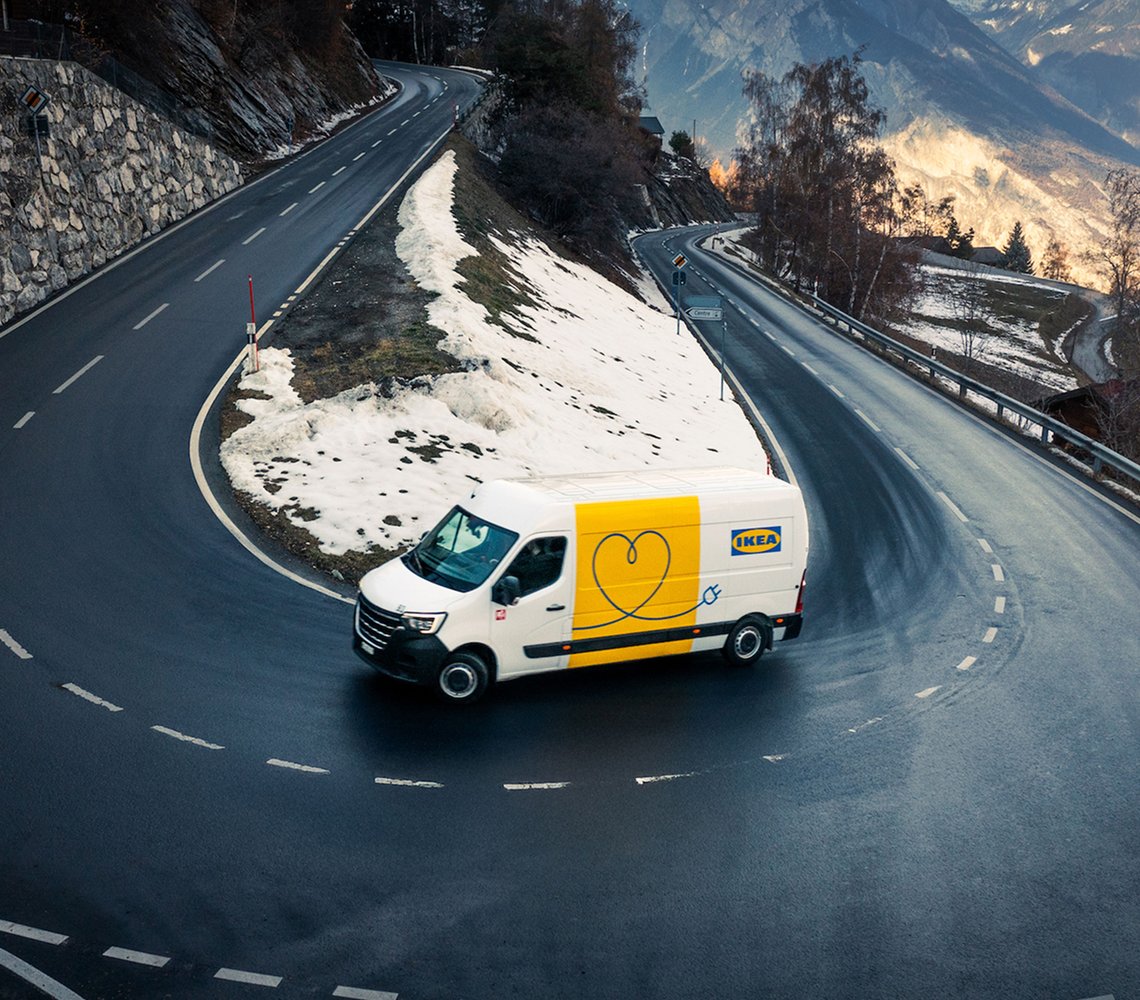
IKEA delivery van driving on a winding mountain road with snow patches and scenic valley views in the background.

Transitioning towards a circular business

Transitioning towards a circular business is a fundamental, system-wide shift that affects every aspect of the IKEA business. This includes the products and services we develop and offer, the materials we source, and how we enable our customers to prolong the life of IKEA products and materials.

For the IKEA business, this means designing our products according to circular design principles, moving away from the use of virgin, non-renewable materials, developing products and services that enable customers’ participation in the circular
economy, and reducing waste throughout the IKEA value chain.

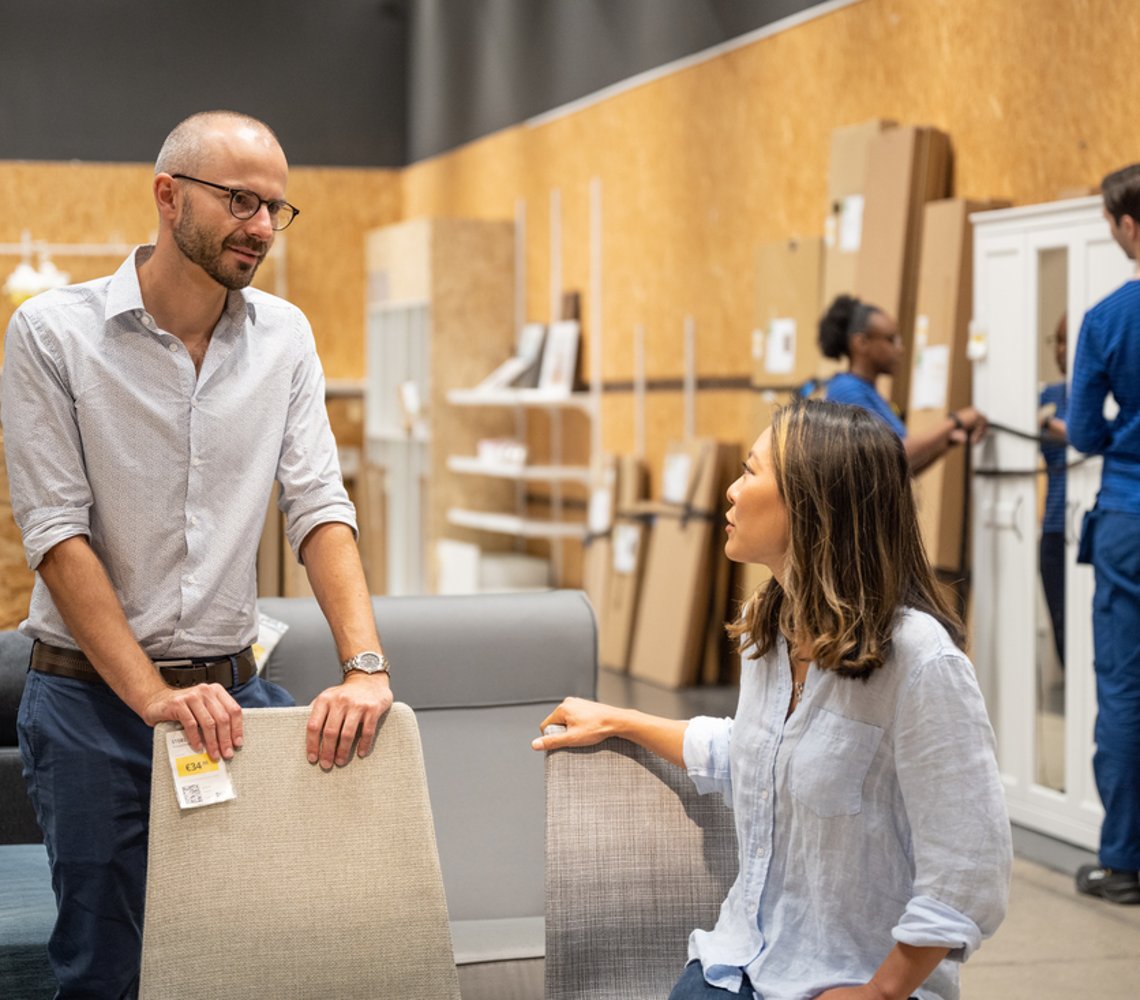
A man and a woman trying out chairs in the IKEA circular shop.

Restoring nature and reducing negative impacts

We know the future relevance, success and security of our business is directly linked to how we address the nature crises today. Actions we take through our business, including e.g. how we build and run our facilities (stores, distribution centres, renewable energy sites, and customer meeting points), how we manage our forests and our business practices all have an impact on nature and biodiversity.

In FY25, 94.7% of our forestland portfolio was certified by a third-party certification scheme and 5.3% was undergoing certification. We are focusing our nature work on biodiversity, land restoration, water, pollution, and GHG emissions, as aligned with Science Based Targets for Nature (SBTN) guidance. We aim to better map and reduce our impact and contribute to positive outcomes in the coming years.

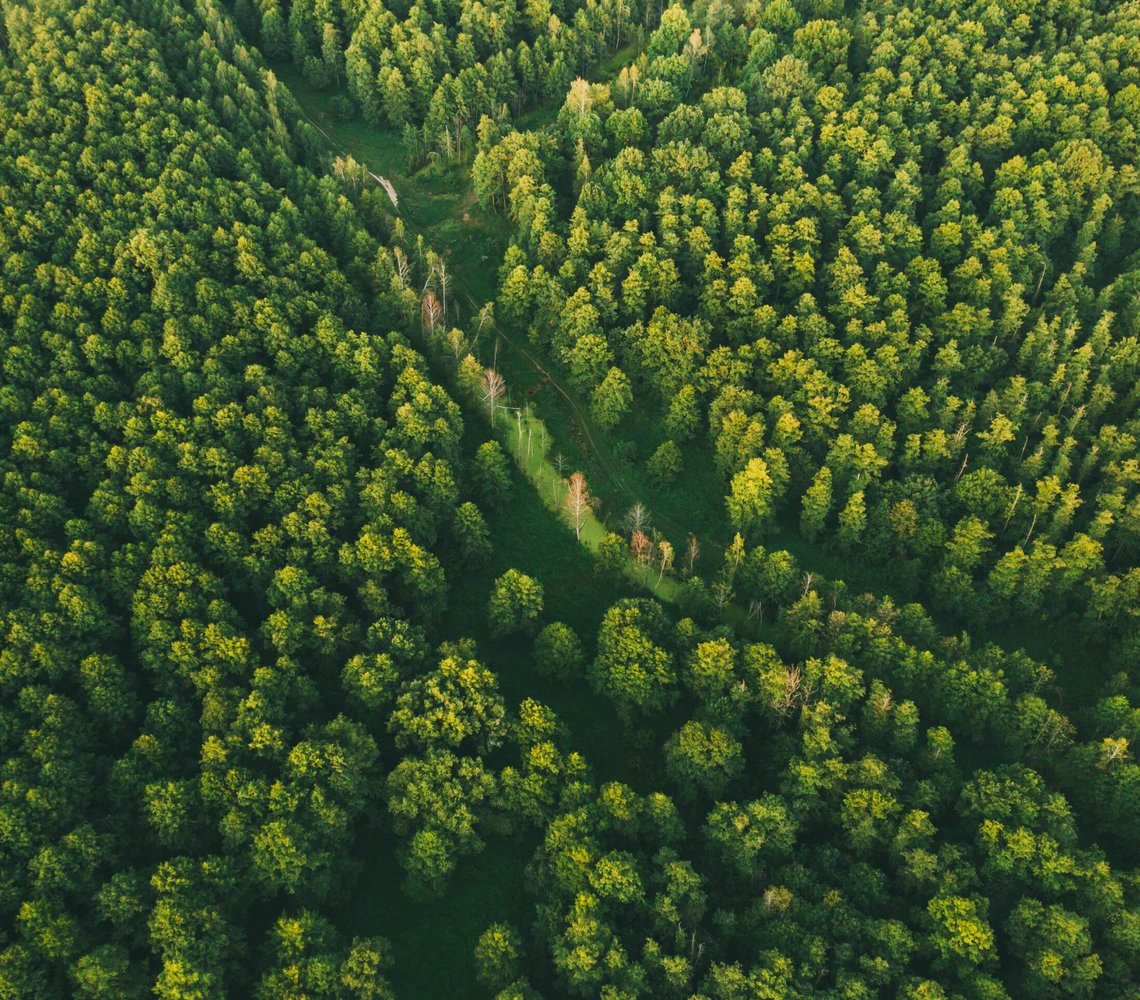
Aerial View Of Green Forest Landscape. Top View From High Attitude In Summer Evening. Small Marsh Bog In Coniferous Forest. Drone View. Bird's Eye View.

The journey continues

’Net Zero and Beyond’ focuses on three areas:

Reducing greenhouse gas (GHG) emissions: by halving absolute GHG across the entire Ingka Group value chain (scopes 1, 2 and 3) by FY30 (vs FY16) and reaching net zero emissions by FY50*, without relying on carbon offsets to meet these absolute reduction targets. Approved and validated by SBTi.

In addition: Removing and storing carbon through forestry, agriculture, and products: by permanently removing and storing carbon in the atmosphere through nature-based solutions in the value chain, addressing the root causes of the climate footprint, improving resilience toward impacts of climate change and bringing benefits to nature and people.

Going beyond the value chain: by contributing to additional reductions of GHG emissions in society and advocating for climate policies in line with science.

Key Ingka Group actions to transition the business to Net Zero and Beyond include:

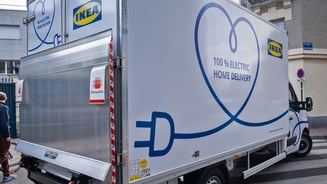
  • Striving towards 100% renewable electricity sourcing across it’s operations, and electrification of customer home deliveries and co-worker travel and continually improving energy efficiency.
  • Increased use of materials and offering food ingredients and a more plant-based food offer, with a lower climate footprint.
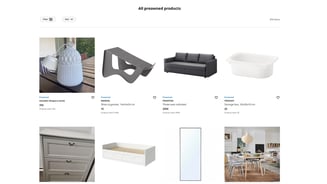
  • Transitioning towards a circular business for example by offering buy back and take back services, online platforms for second-hand products.
  • Promoting sustainable choices for our customers, for example by providing energy services, so many more people can use or generate their own renewable energy.

*The Science Based Target initiative validated this target in April 2024 for Ingka Group and for Inter IKEA Group in June 2024. In accordance with the Net-Zero Standard, by FY50 we will reduce the absolute GHG emissions from the IKEA value chain by at least 90% compared to FY16, with residual emissions neutralized by removing and storing carbon within our own value chain.