Our approach to forestry in Aotearoa New Zealand is rooted in respect – for the land, for the people, and for the planet. By focusing on long-term, responsible forest management, we aim to restore natural landscapes, support biodiversity, and partner with local communities to create meaningful, lasting impact.

Forestland in Aotearoa New Zealand
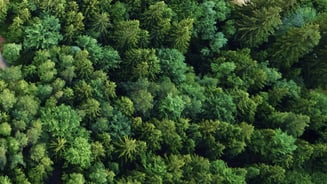
Ingka Investments invests in forestland for the long term to ensure this vital resource is managed responsibly, so that they remain forests forever. In Aotearoa New Zealand we own 43,000 hectares.
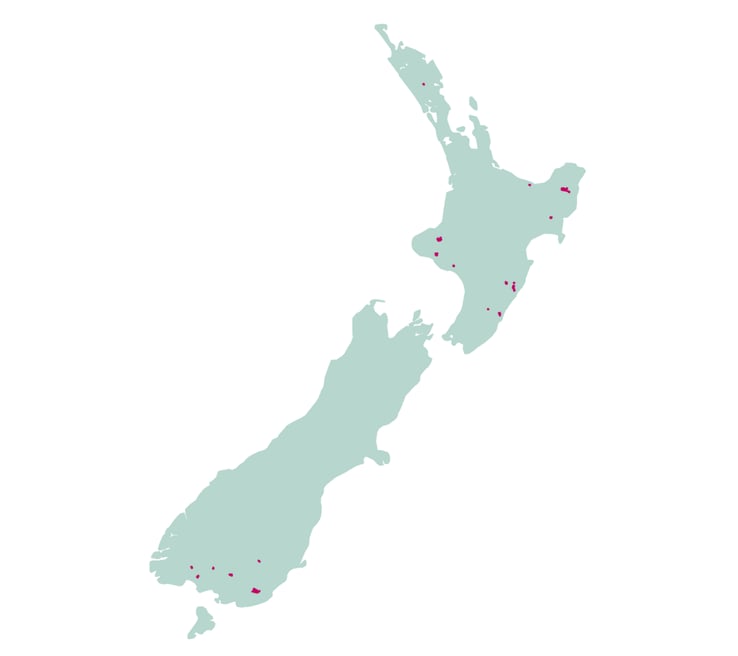
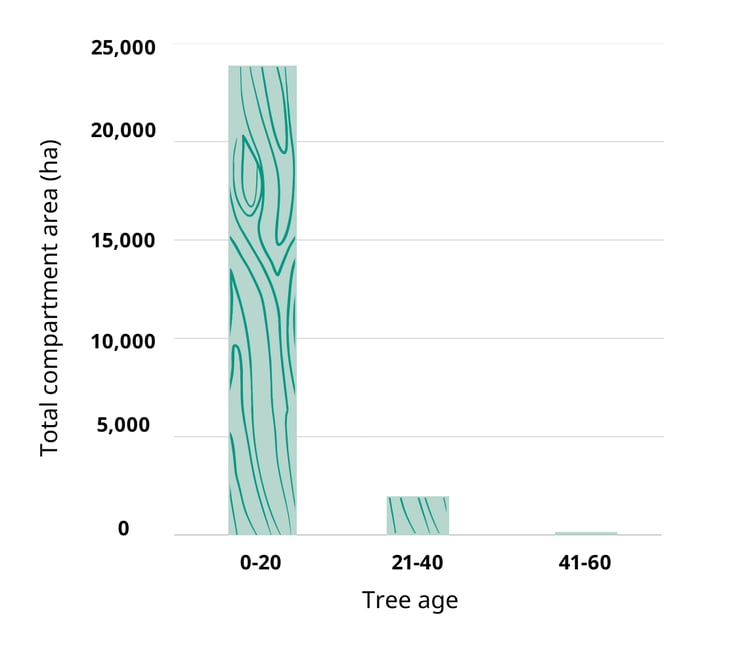
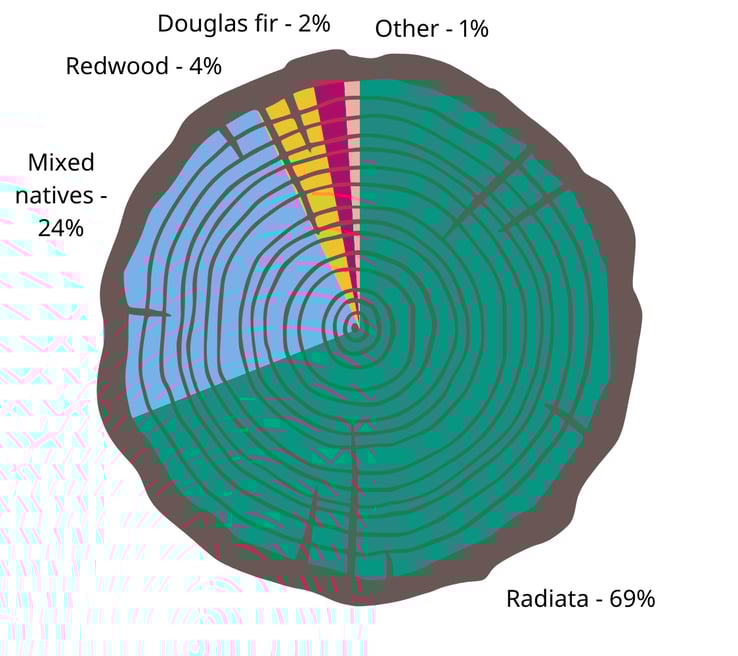
43,000 hectares of forestland
104,000 cubic metre growth
22% of forest area included in Conservation Area Network (including High Conservation Values) - FY24
6.9 million seedlings planted - FY25
Riparian setbacks 5x legal requirements
Providing 800 local jobs (direct and indirect)
Afforesting previously de-forested land
We know that buying land in Aotearoa New Zealand comes with a great level of responsibility and it’s very important to us that we undertake responsible forest management. We undertake a combination of afforestation and buying existing forests.
We have re-forested previously de-forested pastoral land to restore ecosystems and improve water quality by reducing pollution in local streams. Most of our land purchases have been on Class 5 or higher, which is less suitable for highly productive horticulture or crop farming and more suited to forestry as a land use.
We acknowledge Māori as tangata whenua, the indigenous people of Aotearoa New Zealand.
Investing in the community
Working together with Iwi and communities
Our approach to engaging with Iwi and Hapu (Māori tribes and sub-groups) is based on collaboration and long-term relationships. Some examples are:
- In Southland with Hokonui Rūnanga, we have involved the local Iwi in growing and planting native seedlings and possum control, establishing a relationship agreement.
- With Ngati Awa in the North Island, we are working on a Memorandum of Understanding as we own and manage lands next door to each other. Our aspirations to manage the kiwi population and restore the whenua (land) closely align.
- In the majority of cases, our managers and staff are local residents, deeply connected to the area.
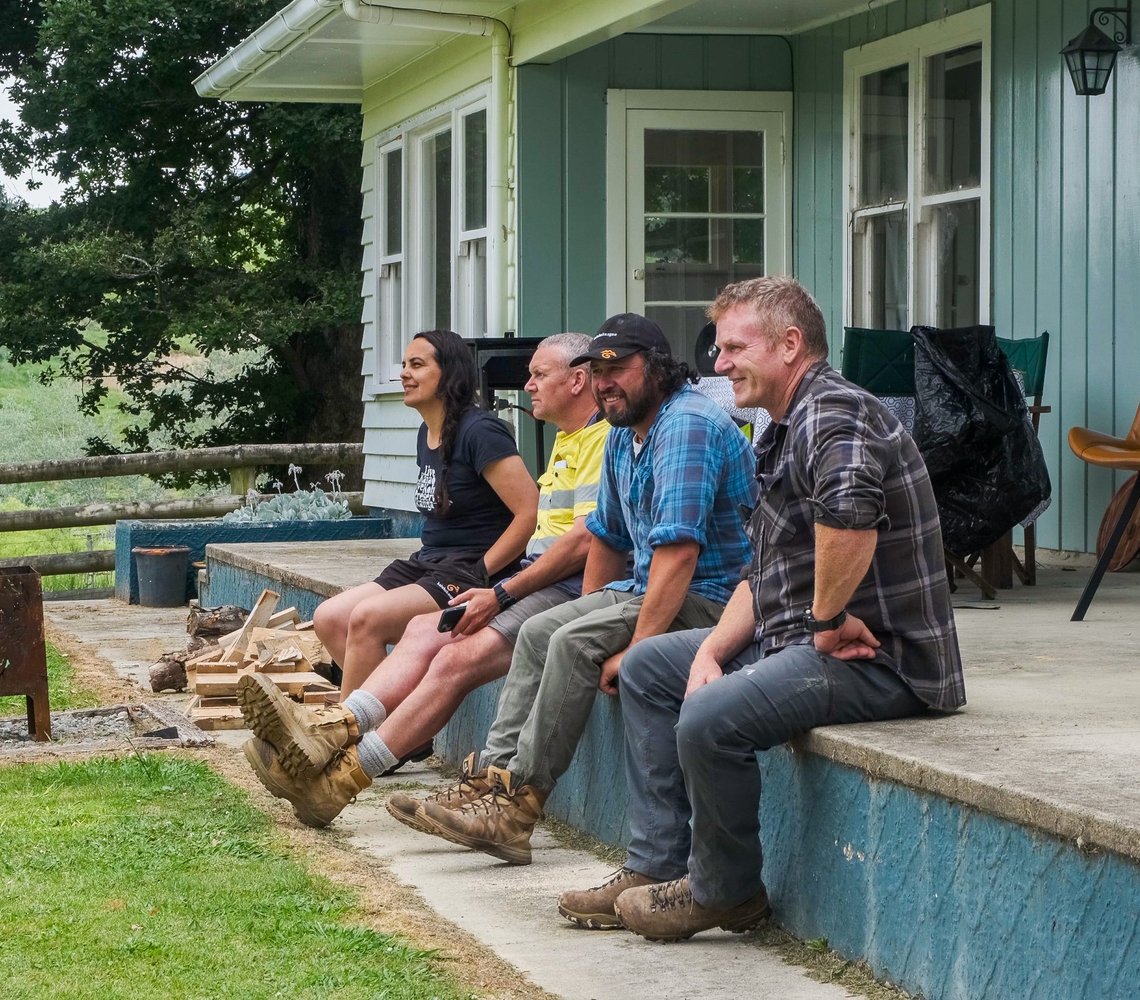
Growing together at Huiarua
- A community of 40 people currently live and work on site, with forest development and restoration efforts planned well into the next decade.
- As part of our long-term commitment to the area, we’ve supported the establishment of Te Huiarua Puna Ora Wellness Centre, which provides vital support to families in need in the Tairawhiti Gisborne Region.
- We have a close partnership with Mata School, which has seen its student cohort grow from just three to over ten children since we began managing the land.
- Together with local community members, we are repurposing venison from the property (from pest deer and cattle) to ensure that the tamariki (children) of Tairawhiti are fed.
Our approach is grounded in generational forestry - we’re not here for short-term gains, but to invest in the land and its people for the long term.
Rebuilding after disaster
After Cyclone Gabrielle in 2023, we supported the communities by providing housing for families whose homes were damaged, further strengthening our relationship with the area.
Not-for-profit carbon trading
We see forestry as part of the climate change solution – forests naturally capture carbon and help restore ecological balance. We participate in the Emissions Trading Scheme because we recognise it as a government-verified measure for the carbon sequestered by forests. However our focus isn’t on carbon trading. We’re not here to profit from carbon credits – we’re here to create productive landscapes that support local jobs and long-term community resilience.
Going beyond legislation
We are exceeding regulatory requirements by creating riparian1 setbacks, in many cases at least five times what is required by law. Over 27% of this is being reforested with native species like manuka, totara and beech supporting biodiversity and allowing nature to reclaim its space. 1Riparian: wetlands adjacent to rivers and streams.
Protecting waterways
We work to protect waterways and enhance water quality by clearing rubbish debris from old farm sites, planting permanent tree species on erosion-prone areas, and designing harvest plans to prevent debris from entering waterways in the future.
Protecting the kiwi
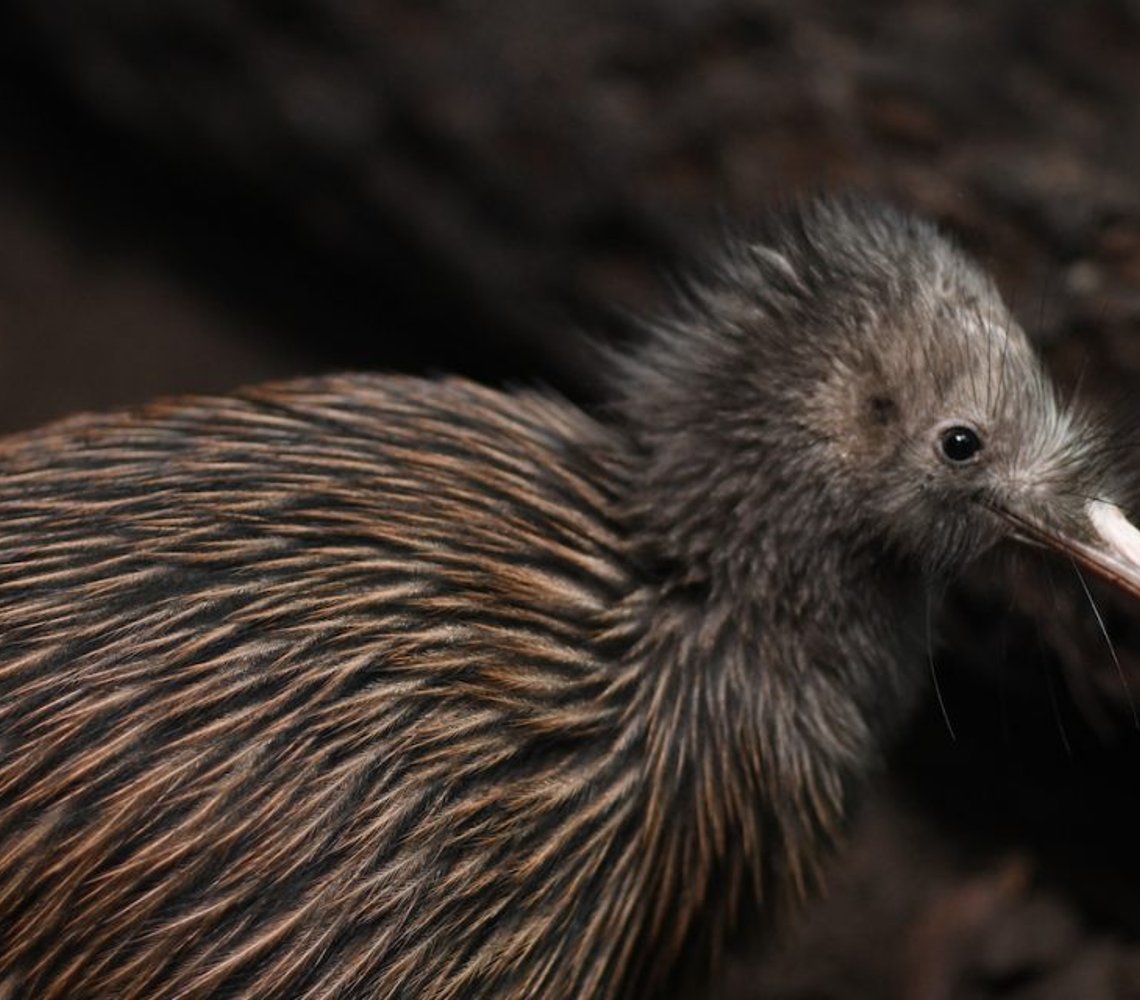
- We’ve partnered with the Whakatane Kiwi Project to explore how forestry practices can help conserve the kiwi. Our involvement includes kiwi spotting, tracking, and monitoring, all carried out before any forestry work begins.
- We have also joined a three-year intensive pest control program, jointly funded with Whakatane Kiwi Trust, to contribute to kiwi survival and other biodiversity outcomes.