Cooking with somebody triples the joy in our brain, while looking at a mobile phone during meals cuts that joy by almost a third. New research from IKEA Spain, The Science Behind Cooking, shows that sharing food with others boosts emotional wellbeing, improves how our body processes food, and can even help reduce the risk of obesity, at a time when 98% of people say they eat while looking at a device.
The pioneering study, carried out in collaboration with leading scientific partners in Spain, reveals that cooking with somebody increases the feeling of joy in the brain by 232% compared to cooking alone. Eating with someone also reduces feelings of rejection by 23.5%, turning meals from a simple formality into a positive emotional experience. The research shows that eating together encourages slower eating, better nutrient absorption, and supports conscious satiety, which in turn helps reduce the risk of obesity.
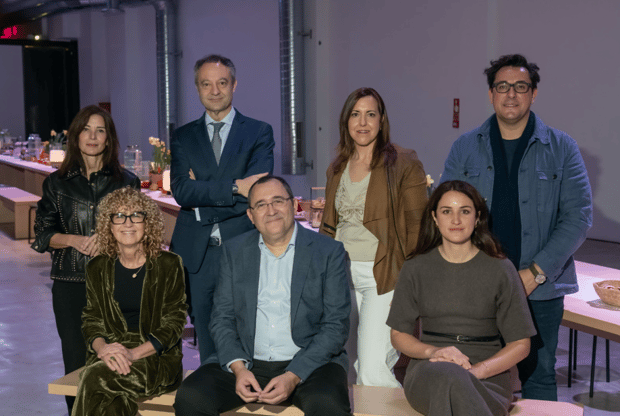
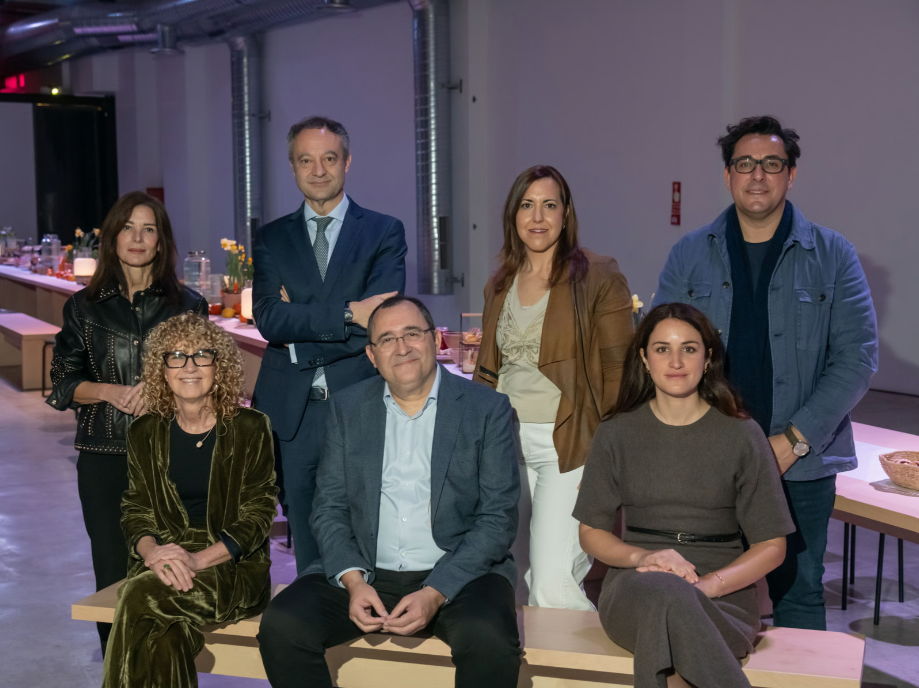
“The partnership of a multidisciplinary team has been key for this study to not only objectively measure the emotions that occur during culinary habits, but also to give meaning to these Insights from the knowledge of neurological sciences, allowing us to assess the emotional well-being associated with the experience of cooking and eating,” says Dr. Jesús Porta, President of the Spanish Society of Neurology.
In contrast, the presence of screens at the table has a clear negative impact. Mobile use during meals reduces joy by 32% and increases stress. Digital content fragments attention, worsens the sensory perception of food, and leads to a poorer emotional experience than eating alone. Instead of enhancing connection, devices interfere with our ability to enjoy food and the people around us.
The study also highlights how deeply digitalisation has entered our eating routines: 98% of people report eating while looking at devices. This means technology has occupied a space traditionally reserved for coexistence and dialogue. The mobile phone is the most used device during meals and is linked to less conscious eating, guided by external stimuli such as notifications and content, rather than by real hunger or satiety signals.
“The act of eating is not only an activity related to nutritional intake, but also creates an environment for the increase of psychological well-being. The presence of mobile devices during meals interferes with social interaction processes, reducing the quality of interpersonal relationships and weakening a protective factor associated with social cohesion, emotional regulation and healthy eating habits. Eating with somebody and without looking at devices does not respond to an idealised concept of the past, but to practices backed by scientific evidence in physical and mental health,” pointed out Fernando Fernández-Aranda, Deputy Director of CIBEROBN and coordinator of the study.
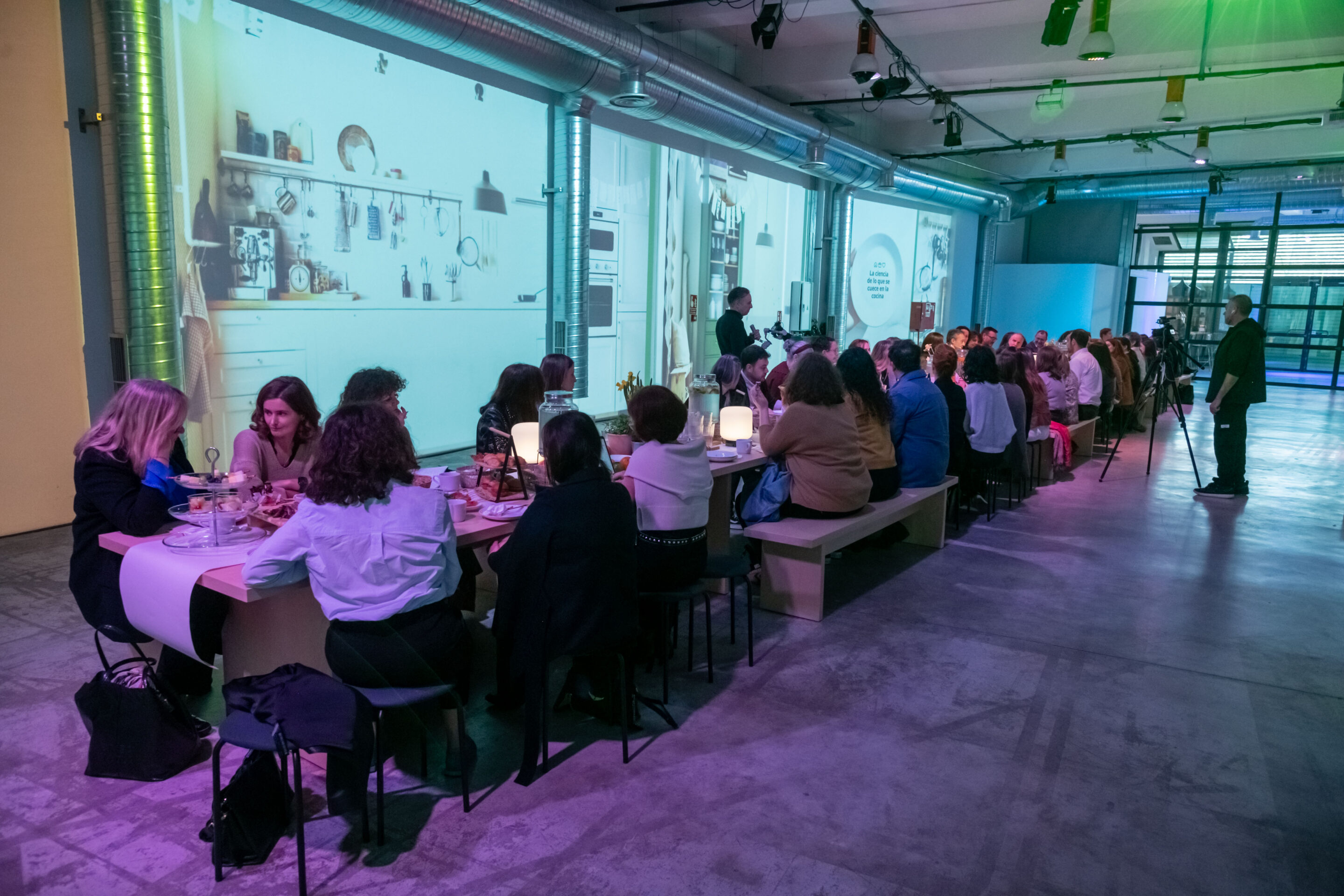
Insights from the recent IKEA Cooking & Eating Study underline this tension between function and connection in Spain. For 35% of people in Spain, cooking is mainly “a way to fuel my body”, compared with 29% globally, suggesting a more functional view of food. At the same time, 38% of Spaniards say they enjoy the opportunity for social connection at mealtimes (vs 34% globally), confirming that there is a strong appetite for shared moments around the table. Together, these findings point to a clear opportunity to reclaim mealtimes from screens and turn everyday cooking and eating into meaningful, social experiences that are better for both body and mind.
“For us, the outcomes from the surveys are a powerful signal. They tell us that, even if many people see cooking as something functional, they still care deeply about the joy and connection that come with sharing food. Our ambition is to make it easier and more affordable for people to create those moments at home, so that everyday meals can be good for both body and mind,” says Laura Ruiz de Galarreta, Director of Public Affairs and Communication at IKEA Spain.
In its range and room solutions, IKEA already works to support more social, screen-free mealtimes. From open-plan kitchen and living concepts that bring people together, to flexible dining tables and comfortable seating that invite everyone to stay at the table a little longer, and practical storage that keeps devices out of sight during meals.
About The Science Behind Cooking
It is a pioneering study done by IKEA Spain on how our eating habits affect our brain, emotions, and health. The research combines two studies carried out between August and December 2025 by the Spanish Society of Neurology (SEN), Rey Juan Carlos University (URJC), the Centre for Biomedical Network Research of Obesity and Nutrition Physiopathology (CIBEROBN) of the Carlos III Health Institute, and IKEA.
About the IKEA Cooking & Eating Survey
The survey was conducted by YouGov for IKEA (31,339 participants across 31 Ingka markets including Spain). Fieldwork was conducted between August and September 2025, using a nationally representative sample weighted by gender, age, geography, and income. The findings support a deeper understanding of how people cook and eat today, contributing to IKEA’s vision of creating a better everyday life for the many people.
About Ingka Group
With IKEA retail operations in 32 markets, Ingka Group is the largest IKEA retailer and represents 87% of IKEA retail sales. It is a strategic partner to develop and innovate the IKEA business and help define common IKEA strategies. Ingka Group owns and operates IKEA sales channels under franchise agreements with Inter IKEA Systems B.V. It has three business areas: IKEA Retail, Ingka Investments and Ingka Centres. Read more on Ingka.com.
Media enquiries
For further information, journalists and media professionals can contact us at [email protected] or by calling +46 70 993 6376.