At IKEA, we celebrate big wins. But we learn just as much – sometimes more – from the ideas that don’t land. In fact, we take learning, testing and trying so seriously that our annual Entrepreneur of the Year Awards include an “Entrepreneurial Mistake” category. Here are five recently nominated missteps that surprised, stretched and enlightened us.
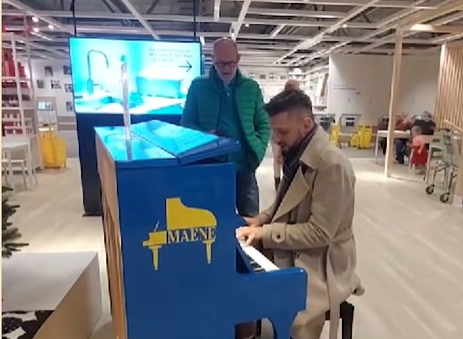
We gave the people a piano. It hit a sour note.
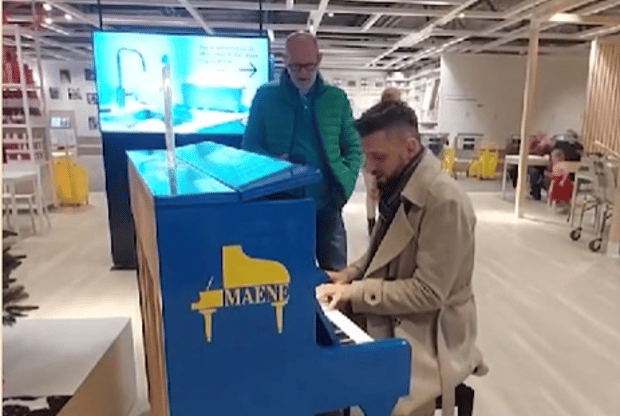
Imagining spontaneous serenades to lift the mood in the food line, co-workers at our Zwolle store (Netherlands) had the bright idea to borrow a bright blue “Play me!” piano and install it in the customer restaurant. Reality check: excited kids treated the piano like a toy and noise complaints surged. After three weeks, the team pulled the instrument and returned it to the manufacturer. The lesson learned is delightfully practical: open instruments need curation and supervision, or the vibe collapses into noise. This off-key idea – a neat example of fast testing, faster stopping, and keeping the lesson for next time – proudly scooped last year’s Entrepreneurial Mistake award.
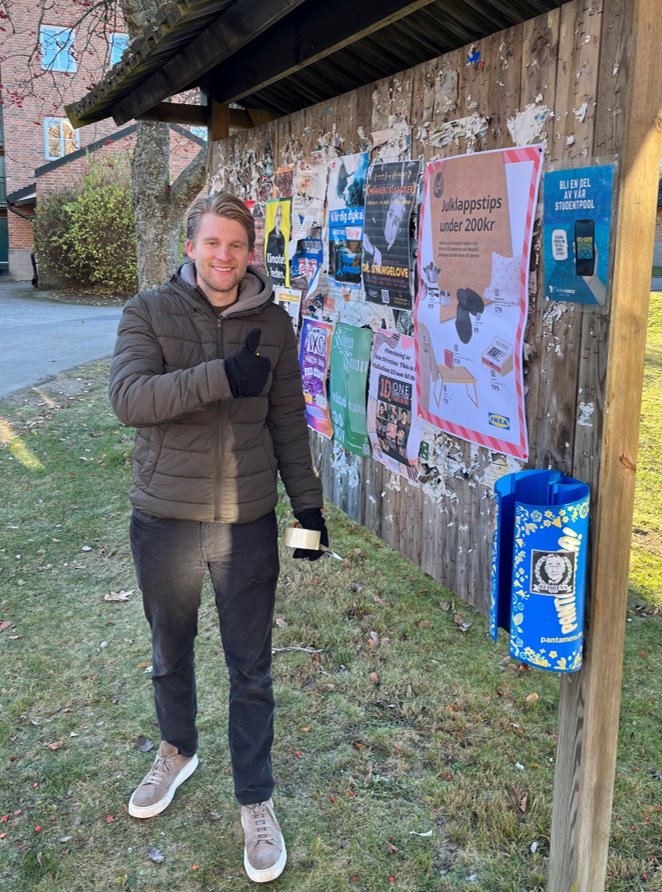
We hacked the city with QR codes. The internet barely noticed.
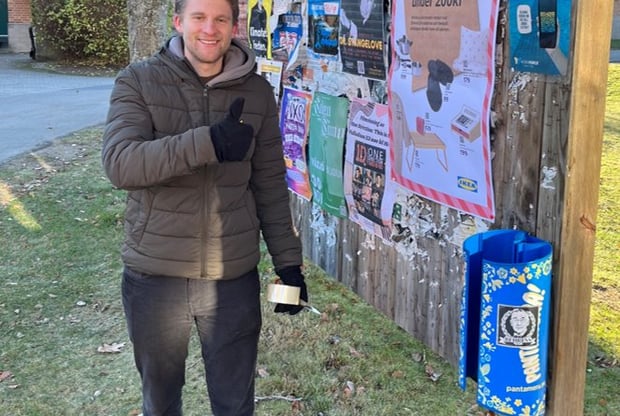
Deep in the Swedish forest, IKEA Älmhult co-workers Johan Folkesson and Mikael Harborn loaded a car with posters for “Christmas gifts” and “everyday packages”, each designed with unique QR codes linking straight to online checkout. Scan, pay, get it delivered: simple, right? Kind of. After papering bus stops and bins all around a nearby town – and taking them down again after a manager flagged it as “probably illegal” – the dynamic duo turned their attention to student information boards. Smart pivot, sad outcome: just seven scans were registered. But Johan and Mikael’s micro-experiment was still a textbook one: fast build, early compliance check, honest result, and a clear reminder that even frictionless checkout can’t conjure demand on its own.
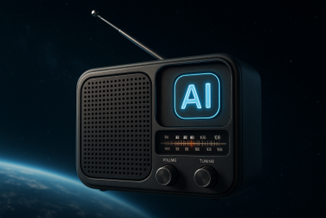
We built an inclusive AI radio. The speakers weren’t ready.
IKEA Belgium’s communications team had a clever, inclusive idea to avoid studio costs and speed up distribution: use a gender-neutral AI voice to deliver in-store messages. The experience design worked; sadly, the infrastructure didn’t. Rollout revealed that “uniform audio systems” across units were more aspirational than real, multiplying manual steps and undermining scale. So, rather than reworking different in‑store audio set-ups, the team stopped the rollout and banked the learnings. The underrated lesson behind many shiny tools: the system must be ready for the idea, especially for cross-unit communications. For the time being then, the decision to stop was the right one, at the right time, with the right level of humility.
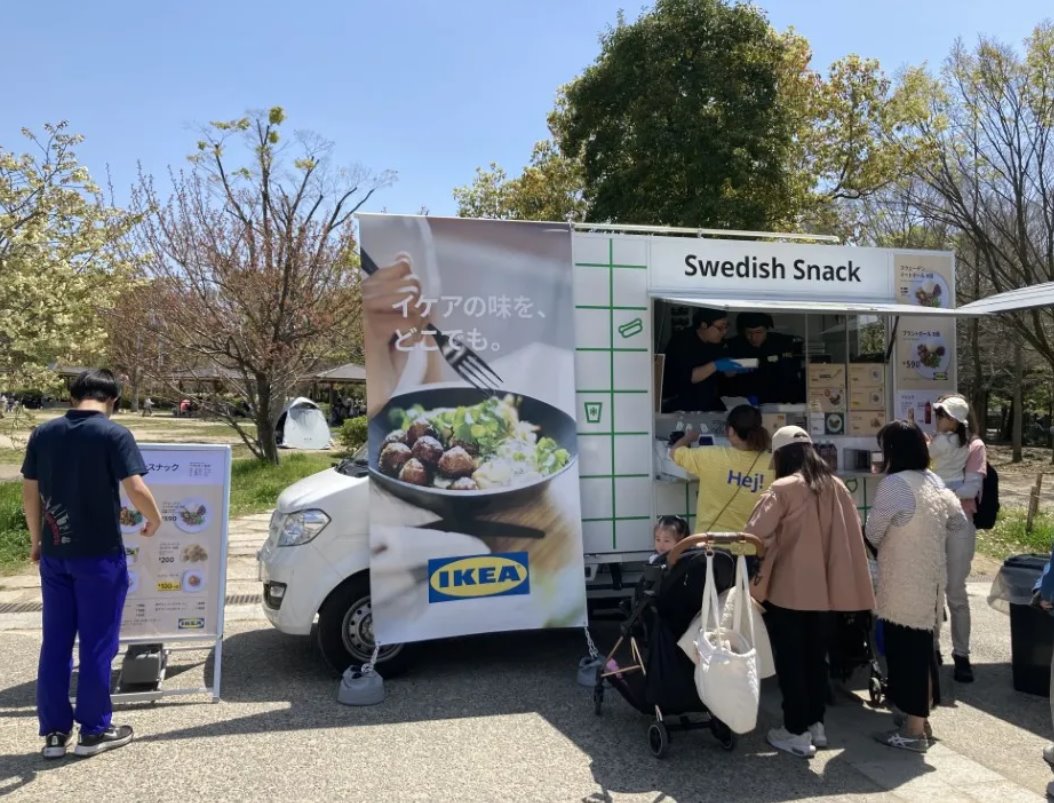
We took plant-based food to the street. Winter had other plans.
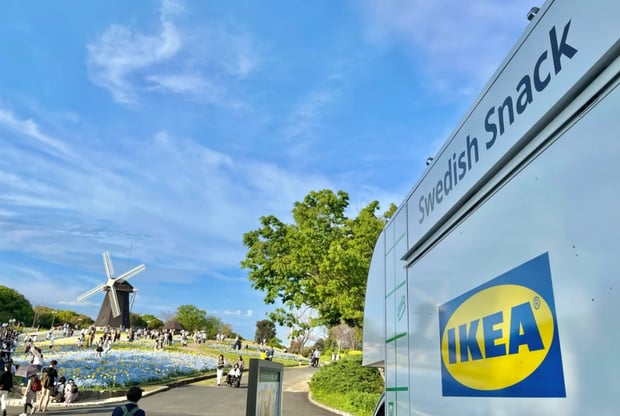
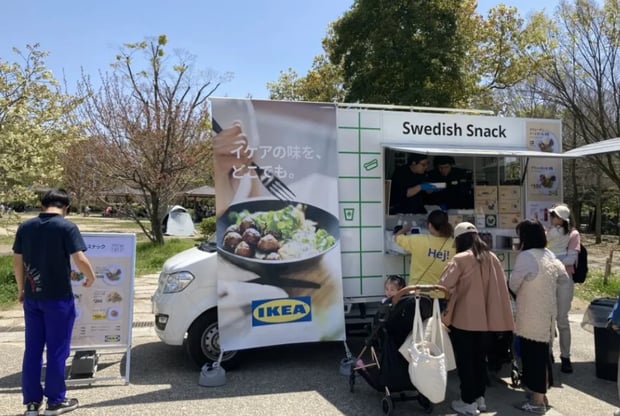
In Japan, our Tsuruhama store tested an EV (electric vehicle) food truck powered by renewables to bring plant-based IKEA food into local communities. This novel concept promised new, more sustainable ways to meet customers. However, reality – and winter weather – laid bare some key challenges. Not only did customer traffic fluctuate sharply with the seasons, affecting both working conditions and sales, but limited EV power also restricted operating hours and food options; even ice cream got pulled off the menu. The learnings – plan for seasonal demand, ensure a stable work environment, and secure enough energy capacity – will be genuinely useful data for our future food activations and next-generation touchpoints. Helping us turn challenges into progress.

We tried tiny homes. The numbers stayed tiny.
The year before last, our Entrepreneurial Mistake award went to Wrocław, Poland, where we partnered with a supplier of mobile “Swedish-style” wooden houses. Not only did we agree that every home sold would be furnished with IKEA products, but we also showcased a fully kitted model in the store parking lot. The plan targeted 20 furniture sets sold in year one and a solid incremental profit. Fast-forward almost 12 months, and only two sets were sold, costs weren’t covered, and the project closed with a loss of nearly €15,000. We exited and learned lessons on how to approach this kind of co-operation in the future – not such a tiny impact after all.
Anything else you’d like to know?
At IKEA, we have so many stories to tell. But many of them stay right here, within IKEA. That’s where our “Who knew?” series comes in. Is there anything you’ve always wondered about IKEA but never had the chance to ask? Contact us at [email protected] and we’ll get digging.
*This article uses AI generated images.
Media enquiries
For further information, journalists and media professionals can contact us at [email protected] or by calling +46 70 993 6376.