- In our own operations, we work to reduce waste and recycle the waste we generate.
- For our customers, we offer services that make it easier to reuse, repair, and recycle IKEA products – including our Buyback service, spare parts offer, and second-hand marketplace.
- Beyond our own business, we invest through Ingka Investments in companies building the recycling and waste-prevention technologies the circular economy depends on.
Circularity
The resources on our planet are finite – and the circular economy can help to keep them in use for longer. Rather than discarding products and materials as waste, a circular economy keeps them in use through processes like maintenance, reuse, refurbishment, remanufacture, recycling, and composting.
Contributing to the circular economy
Reducing waste in our operations
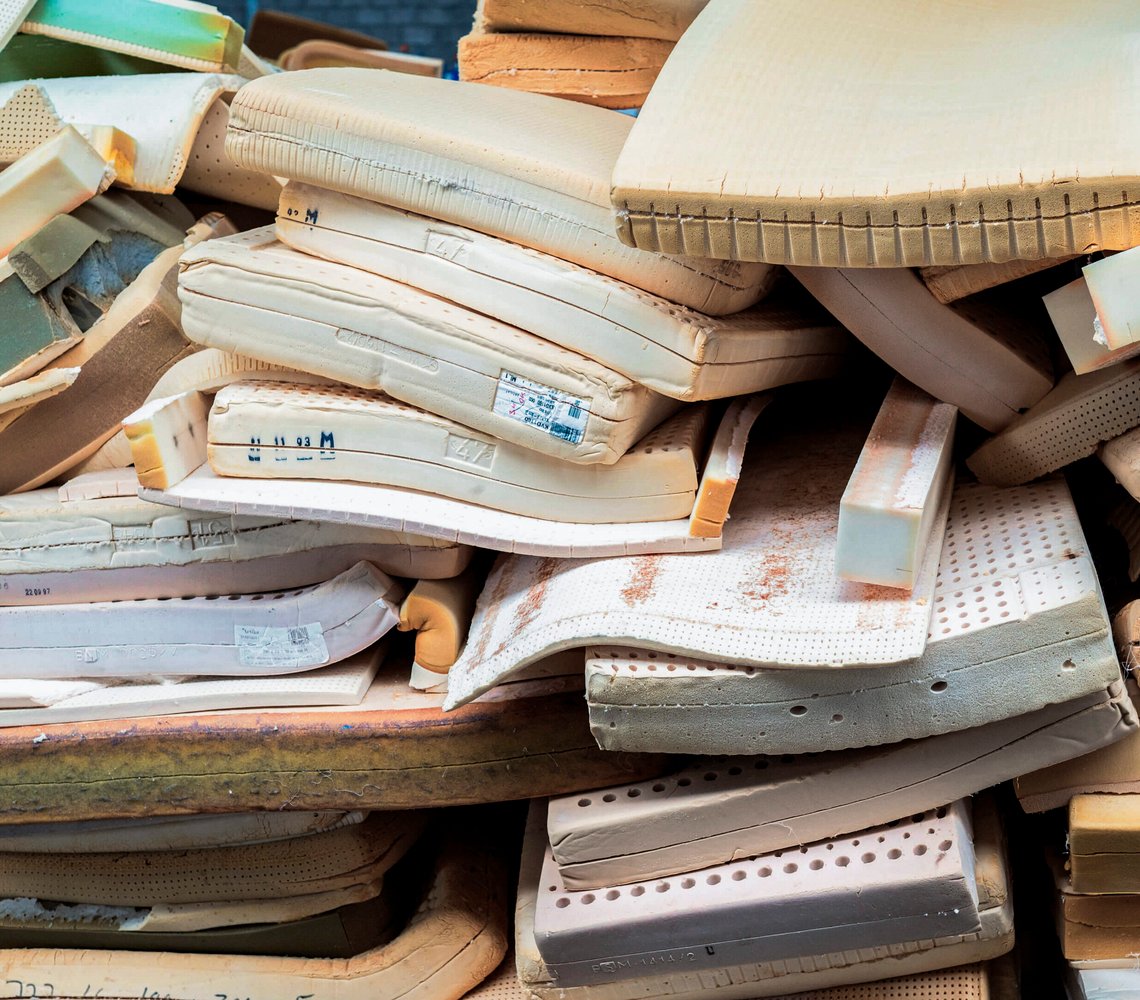
We have set ourselves the target to reduce our operational waste and to recycle 100% of waste generated in our own operations by 2030. Our progress against this target is tracked annually and reported in our Annual Summary and Sustainability Report (p. 27). In FY25, we recycled 79.0% of waste (FY24: 77.6%).
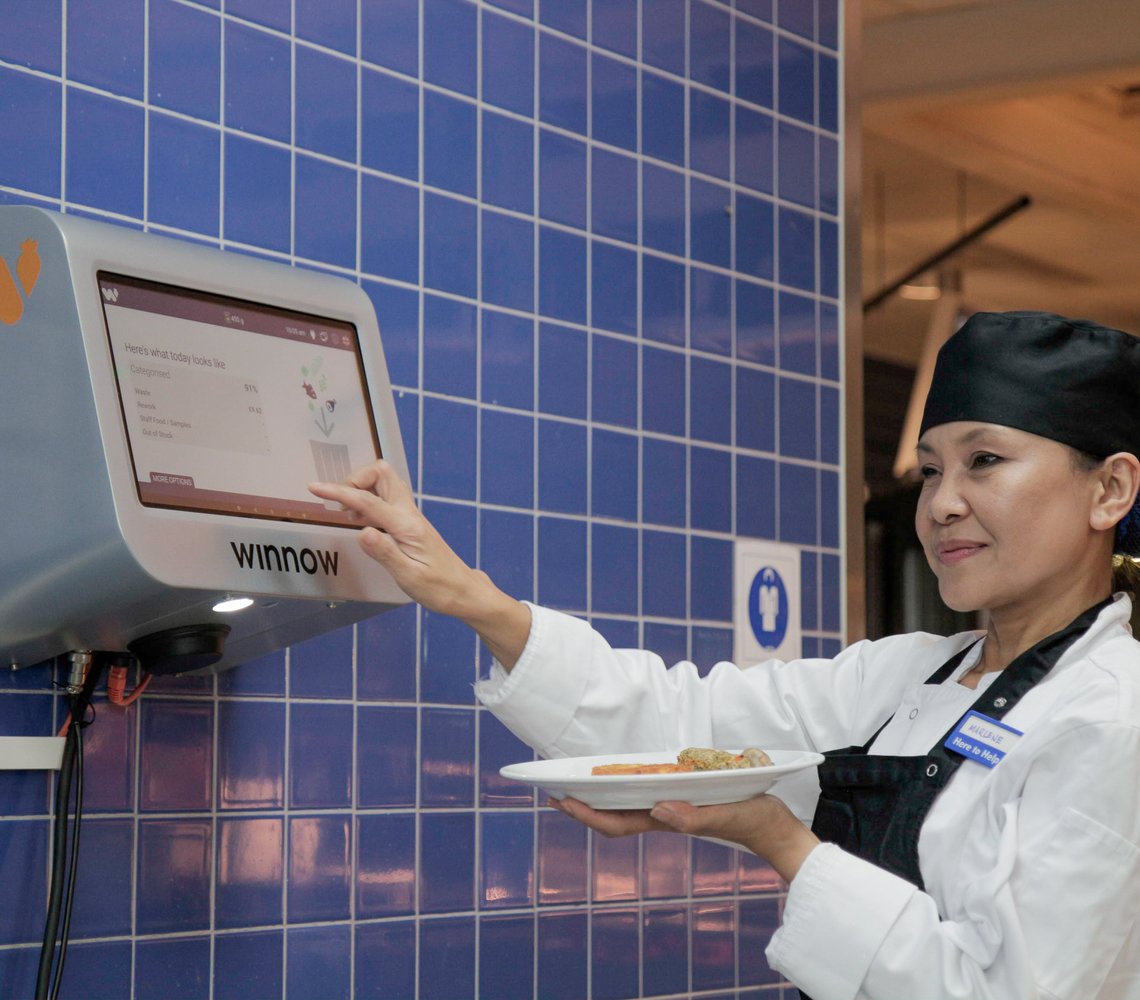
We also halved our pre-consumer food waste in line with SDG 12, by using Winnow’s AI technology in our restaurants & bistros. In addition, together with Too Good To Go, we rescue food and sell it at a reduced price in IKEA stores in 14 markets.
Spare and assembly parts
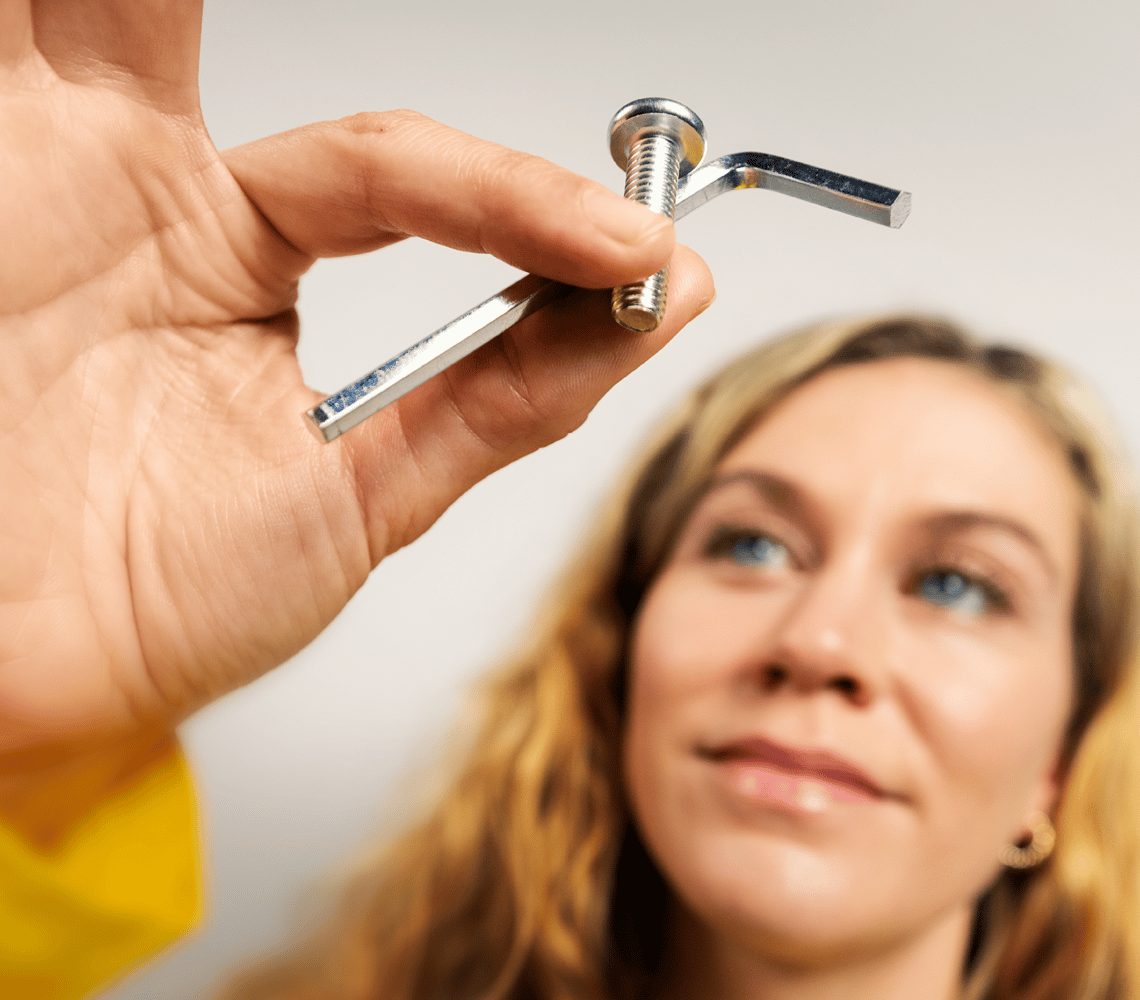
Another way of try to keep our products in use for longer is by offering assembly and spare parts. In FY25 we provided 26.7 million free assembly parts – including nuts, bolts, screws and dowels – to 2.3 million customers via ikea.com, helping them repair their products.
Read more about this in our Annual Summary and Sustainability Report FY25 (p. 42)
Buy and sell second-hand
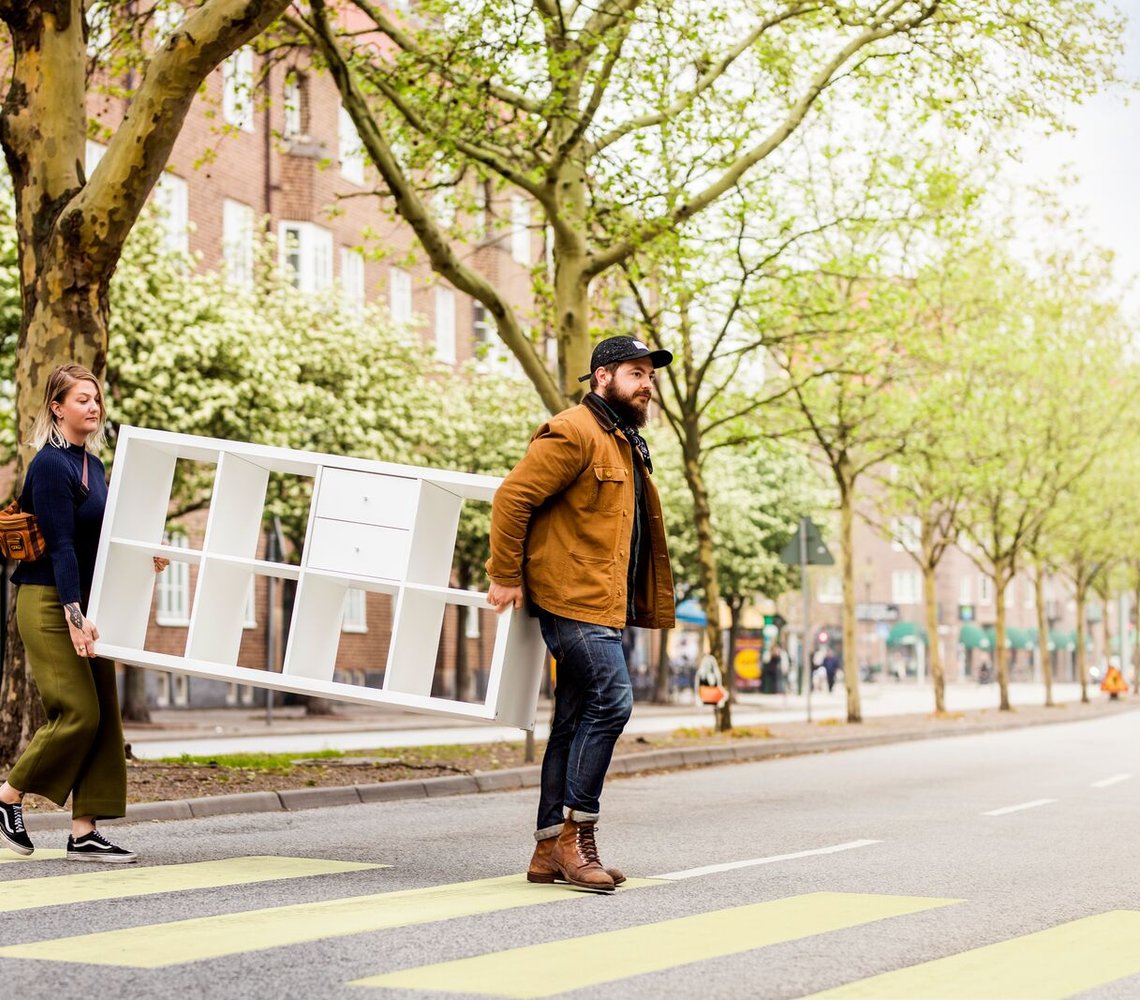
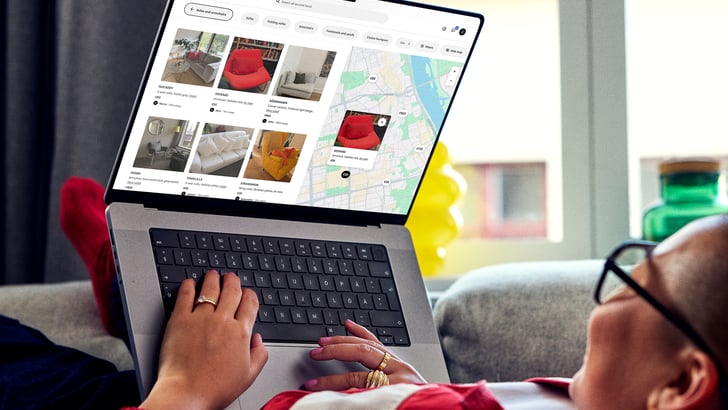
We want to make it easy for our customers to buy and sell pre-loved IKEA pieces, either directly from IKEA or from other customers through the IKEA Second hand Marketplace, currently available in five countries. Through our Buyback service, customers can sell their IKEA furniture back to the store and receive in store credit. They can also choose to shop second chance products, such as ex-display products, available in 424 IKEA stores.
Investing in the circular economy beyond IKEA
We invest in companies that are developing technology or growing capacity to prevent and/or recycle waste. As is described in our Annual Summary and Sustainability Report (p. 43f.), in FY25 we added three additional recycling companies to our circular portfolio including food waste solutions businesses RECO in South Korea and Vanguard Renewables in the USA and Re-Mall, a plastics recycling business in China.
Global partnerships
We collaborate with others to develop and implement common circularity standards. We partner with the World Business Council for Sustainable Development (WBCSD) to help shape a Global Circularity Protocol (GCP) for business – establishing common standards, metrics and a shared global language around credible business circularity.
FAQ
-
How is IKEA integrating circularity into product design?
Product design and materials sourcing are the responsibility of Inter IKEA Group. Circular design principles are embedded in their Democratic Design framework. The design principles include the use of renewable or recycled materials, standardisation, care, repair, adaptability, disassembly and reassembly, and recyclability. Read more: Our circular agenda – IKEA Global: https://www.ikea.com/global/en/our-business/sustainability/our-circular-agenda/
-
How does your second-hand offer contribute to a circular economy?
We support our customers to reuse, repair, and recycle their IKEA products through services including our Buyback service, second-hand marketplace – available online and in five countries – and second chance products available in 424 IKEA stores. Making it easy for our customers to buy and sell pre-loved products, we hope the products are kept in use for as long as possible.