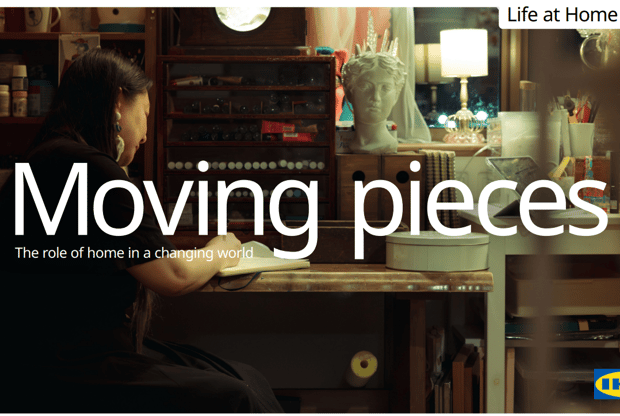
In a time of global uncertainty driven by climate change, economic pressure and rapid technological shifts, people around the world are turning to their homes as a source of security, control and comfort. According to the IKEA Life at Home Report 2026, while life outside can be increasingly unpredictable, the home has emerged as a critical space to navigate change and help people feel prepared for the future.
Key global findings:
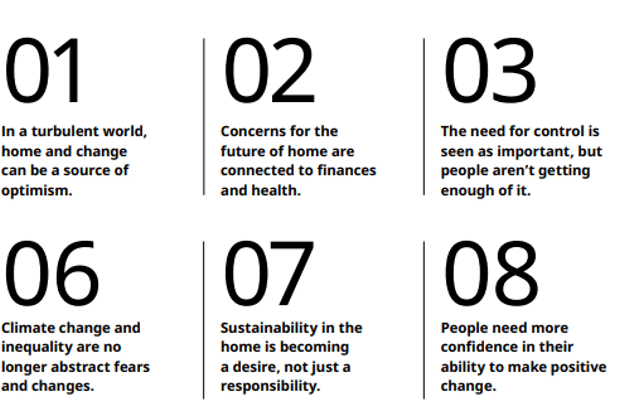
- Home is a source of optimism: People happy with their life at home are significantly more positive about the future (65% vs 48% global average).
- People worry about their finances and health: The top three global concerns are household finances and disposable income (37%), physical health (37%) and the state of the economy (31%).
- Comfort is key: Feeling comfortable is of high importance (86%) yet only 66% of people experience it often at home.
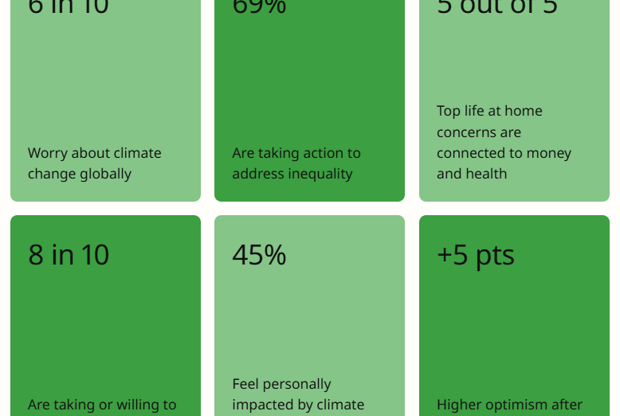
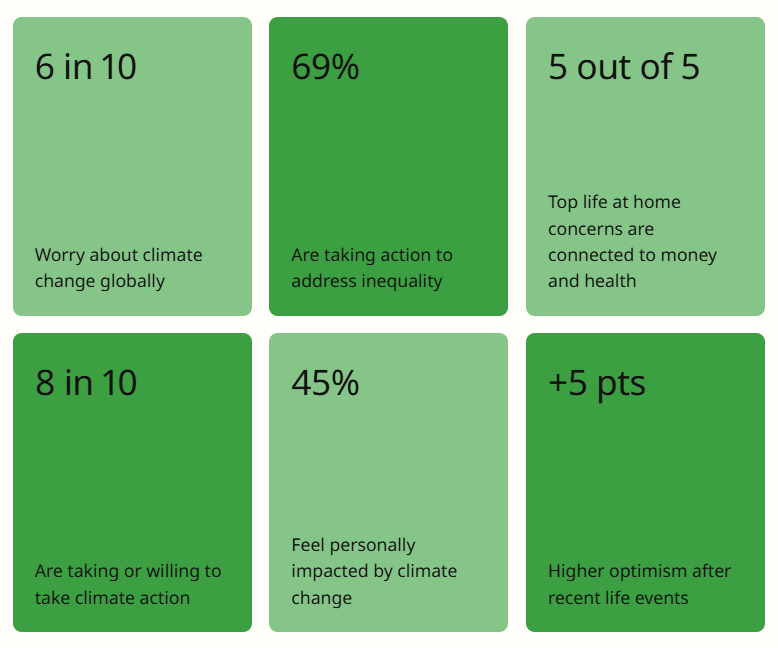
- Climate change is personal: 64% worry about climate change and almost half (45%) feel personally impacted.
- Real motivation: 54% say saving money and 41% say health benefits would motivate more climate action.
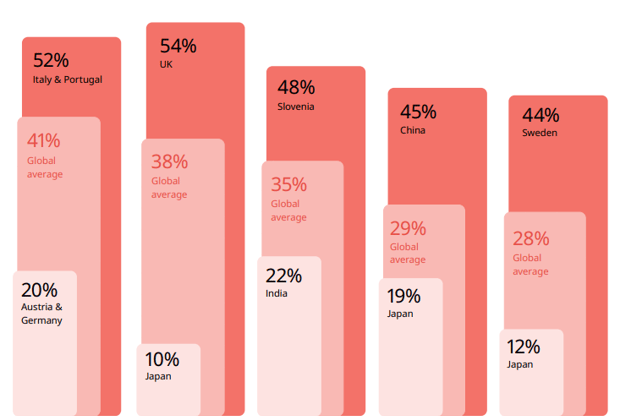
This mix of concern and action is shown across the key data:
In a changing world, home matters more than ever. Concerns about personal finances and health continue to dominate the rankings, and the impacts of accelerated technology and climate pressures are increasingly felt inside the home. At the heart of these findings is a clear gap between what people need from their homes and what they actually experience. This is particularly evident for the three ‘everyday essentials’ when it comes to the core emotional needs of the home:
- Security: 82% say it’s important, but only 68% experience it regularly
- Comfort: 86% vs 66%
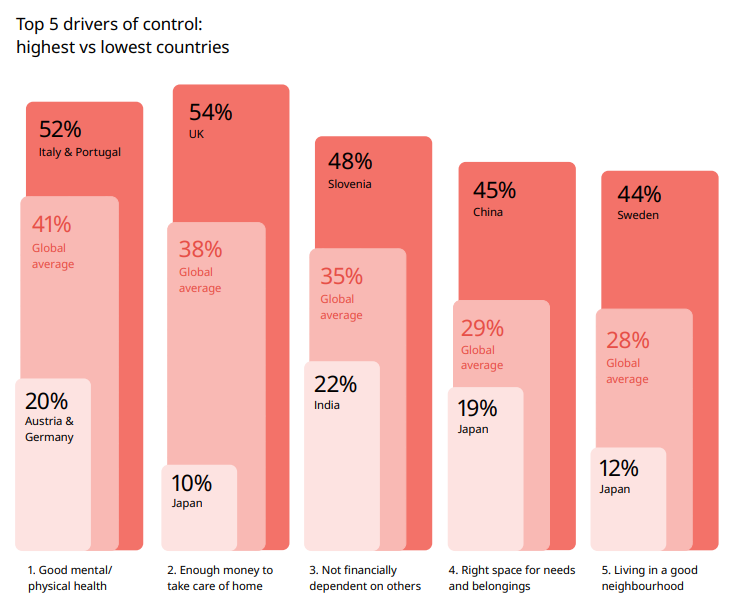
- Control: 74% vs 59%
Closing the gap begins with understanding how people can fulfil these needs – a sense of control at home, for example:
Despite the uncertainty, this latest report — incorporating data and insights from two major pieces of IKEA research into life at home and climate action — shows that people aren’t waiting for change. As many as 83% are already taking climate action, and 81% are willing to do more. A further 21% say their ideal home would help them live sustainably. Although knowledge, confidence and cost can hold people back, many are still repairing, donating, rethinking how they live, and even planning to update their storage to get more control at home and save resources. And with 54% saying saving money would encourage them to make more sustainable changes, money can be a motivator as well as a barrier.
Behind these broader trends are personal stories of people navigating change, uncertainty and new beginnings:
"A good home can make a big difference to how we feel about life and the future. It can give us comfort, security and a sense of control. These things matter when life around us changes. At IKEA, we want to make it easier for many more people to create a home that works for them."– Helen Duphorn, Global Communication and Positioning Manager at Ingka Group (IKEA)
For more information, visit IKEA Life at Home Report 2026.
About the Life at Home Report 2026
Every year we speak to people around the world to find out what life at home means today – and how we can help make it better. That’s what the IKEA Life at Home Report has always been about. In this edition, we also included our people and planet consumer trends and insights, because we know that sustainable, affordable living is central to meeting people’s emotional needs and helping them to live a better life at home.
Life at Home Quantitative Research Source: YouGov
In 2025, the survey was completed among a national representative sample of people aged 18+ in 31 countries*, where a total of 31,689 interviews were collected. The 2023 and 2024 surveys were run in a larger number of countries. This data only includes historic data from the same 31 countries where the survey was run in 2025.
The quantitative Life at Home study was conducted as an online survey (CAWI, computer-assisted web interviewing). The data collection was completed in July 2025. Data for each country is weighted according to the dimensions of gender, age and geography on the basis of an ideal weighting, so that the results are representative of the population in the target group. Each country has the same weight in global results. New Zealand is given added weight to make their results equal to those from other countries despite their lower numbers of interviews.
Life at Home Qualitative Research Source: Crowd DNA
Qualitative data was gathered from 24 home ethnographies and 36 digital immersions in 3 countries: India, Spain and the USA.
People & Planet Consumer Insights & Trends Source: GlobeScan
Research for this study was conducted online using reputable national consumer research panels to recruit respondents across 30 countries* worldwide. The total global sample consists of 30,701 participants, with each market contributing approximately 1,000 respondents. All countries are weighted equally when calculating global figures. Fieldwork took place between 10 March and 22 April 2025. Samples were designed to be as nationally representative as realistically possible through online panels. However, some exceptions apply in markets such as China and India, where online access patterns result in a disproportionately higher number of highly educated and urban consumers. In India specifically, the 2025 sample was adjusted to focus on six target regions: Bengaluru, Chennai, Delhi NCR, Hyderabad, Mumbai and Pune. Because earlier waves of research covered the entire country, trend comparisons for India should be treated with caution.
In the report, trends compare the 2025 data with findings from 2019, 2021 and 2023. There are minor differences in the number of markets included across years, as Ukraine and Russia were not part of the 2023 or 2025 studies. These changes, however, have only a minimal impact on global results, generally within 0–1 percentage point. Finally, due to rounding, some figures may not sum to exactly 100 percent.
About Ingka Group
With IKEA retail operations in 32 markets, Ingka Group is the largest IKEA retailer and represents 87% of IKEA retail sales. It is a strategic partner to develop and innovate the IKEA business and help define common IKEA strategies. Ingka Group owns and operates IKEA sales channels under franchise agreements with Inter IKEA Systems B.V. It has three business areas: IKEA Retail, Ingka Investments and Ingka Centres. Read more on Ingka.com.
Media enquiries
For further information, journalists and media professionals can contact us at [email protected] or by calling +46 70 993 6376.