Let’s stand with refugees
Supporting refugees
Since 2019, more than 4,300 refugees have been supported through Ingka Group’s Skills for Employment initiative (Annual Summary and Sustainability Report 2025, p. 51) Building on this work, we are continuing our Skills for Employment initiative with the goal of reaching more refugees across our markets.

Why take action
It's happening now.
Whether we fully understand the geopolitical reasons for refugee migration, the fact is refugees deserve support now.
We welcome them and support them.
Refugees* are people forced to flee their homes because of the risk of violence, conflict, persecution, or war, and who have crossed an international border to find safety in another country. Many of them undertake dangerous journeys and sea crossings, risking life and limb to try and reach safety. Some get stuck along the way, and some don’t survive the journey.
*The International legal definition of a refugee as per the 1951 Convention is a person who, “owing to well-founded fear of being persecuted for reasons of race, religion, nationality, membership of a particular social group or political opinion, is outside the country of his nationality”.

Trapped in a cycle
These circumstances mean most refugees have few real prospects for the future and are at risk of social exclusion. Their contact with the local population is often very limited, which makes it difficult for them to learn the local language and culture. Many feel dependent and useless and, in that situation, their self-esteem plummets.
Work is key for integration
Employment and economic self-reliance are essential factors in successful integration (UNHCR). It needs to happen here and now – not only when conditions are ideal, such as when refugees have learnt the local language or when public opinion is fully aligned on the need for integration. Refugee integration – including access to employment – can reduce social tensions and contribute to stronger, more cohesive communities (UNHCR/World Bank).
Although work is key, some countries don’t allow asylum seekers and refugees to work legally, and many refugees can lack the experience required within the local labour market and working culture to get their first job in their new country. That’s where Ingka and other businesses can support them.
Businesses have an opportunity
Employment is essential for long-term and successful integration. Through safe work, refugees can contribute to society and build a new life for themselves and their families – which is what they want (UNHCR).
Together with other stakeholders, businesses can play an important role in supporting this – contributing to local communities and economies in the process.
We believe that businesses also have an opportunity to help change the narrative around refugees. Evidence increasingly shows that inclusive refugee integration creates value for businesses and society(UNHCR).
Refugees help strengthen the economy
They help fulfil labour needs and counter ageing demographic trends. Studies show that the long term economic benefit of admitting refugees outweighs the initial costs. Studies also show that soon after a spike in migration, the overall strength of the country’s economy improves – and the unemployment rates drop.
Refugees bring diverse perspectives and experiences
According to the Harvard Business Review, diversity unlocks innovation and drives market growth. Studies show that diverse and inclusive cultures lend companies a competitive edge over their peers — and that diverse companies generally perform better financially.
Refugees bring talent and skills
They inherently have resilience and adaptability. Refugees also tend to stay with the same employer longer — contributing positively to higher retention rates.

Skills for Employment Toolkit
A how-to guide for opening pathways to decent work for refugees
Businesses can make meaningful contributions to local neighbourhoods and to society at large by working toward refugee integration and opening pathways to decent work for refugees. Together, we can prove that inclusive growth and positive social impact go hand in hand.
Through our Skills for Employement programme we provide 3-6 months of language and job training, enabling refugees to gain work experience so that they have a better chance of finding a job, either in IKEA or in other companies.
We’ve developed this toolkit to share our experience and lessons learned so far. We hope this toolkit inspires you to act, too.

Buddy training facilitator deck
Creating a welcoming and inclusive workplace
We place great importance on properly onboarding every new co-worker. One way we do this is through a buddy approach. A buddy is a colleague who offers guidance and practical support to help new team members settle in.
To help our teams provide caring, consistent assistance, we have developed a training programme that prepares co-workers to act as buddies for refugees joining Ingka. Below, you will find a facilitator deck designed to help you run this training in your own workplace.
What we’ve learned so far
Since launching the Skills for Employment programme, we have supported more than 4,300 refugees across 26 countries. A study conducted with researchers from the University of Sydney and the Stockholm School of Economics has helped us understand what makes these initiatives succeed – and where challenges remain.
The research points to several key success factors:
- supportive workplace cultures where co-workers actively help new colleagues integrate;
- strong leadership backing to establish and sustain programmes;
- and close partnerships with NGOs and community organisations to connect with refugee talent and provide tailored support.
- Local flexibility also matters – labour markets, legal frameworks and refugee demographics vary widely, so programmes need to be adapted to local conditions.
At the same time, the study confirms that language remains one of the most significant barriers for refugees entering the workforce and progressing in their careers – something our teams across markets consistently recognise too.
If you want to know more about the research findings, you can read the full Sidney University study here.
Refugee stories
Hear from refugees as they continue to build their lives.
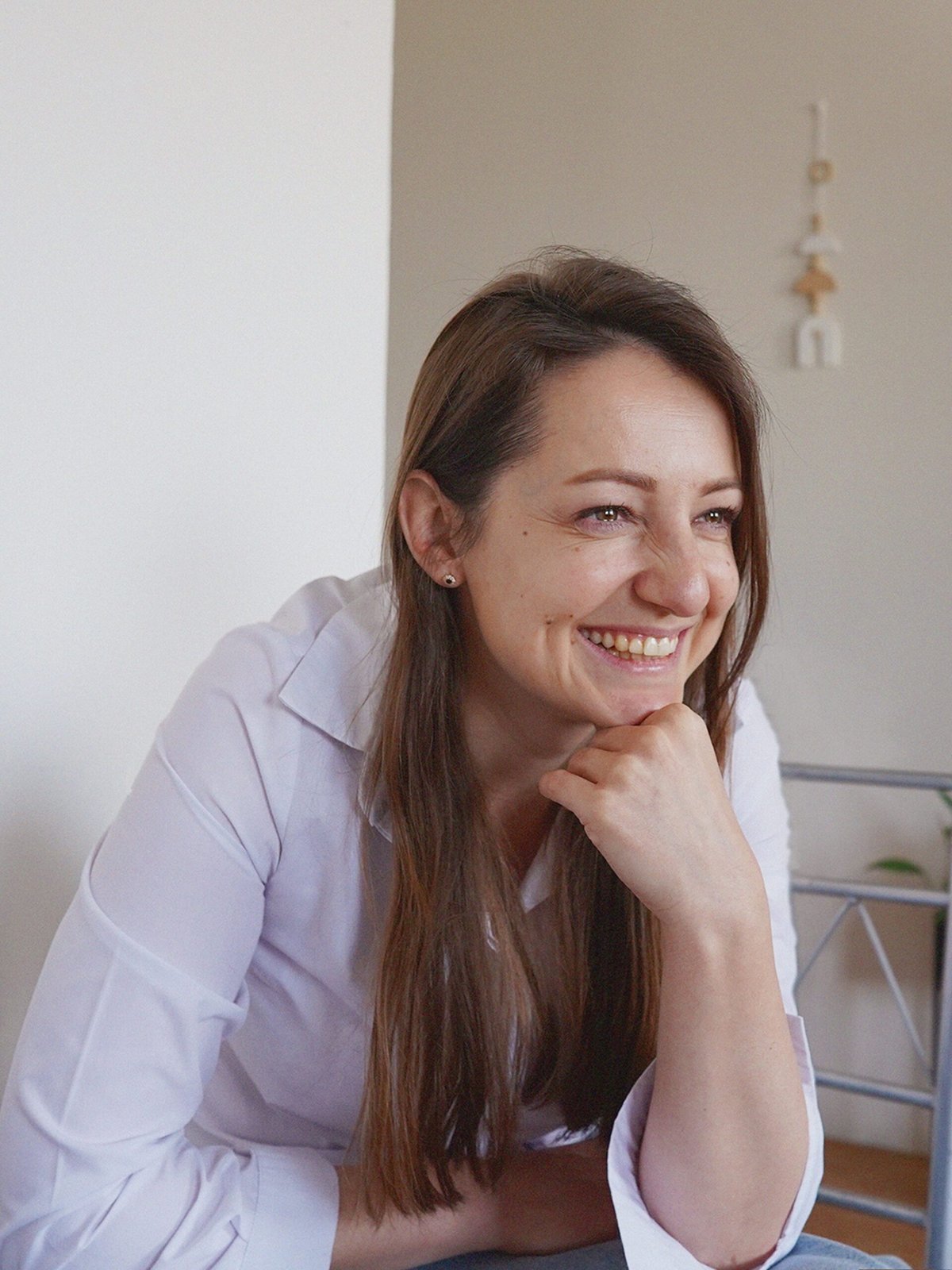
Nataliia’s story
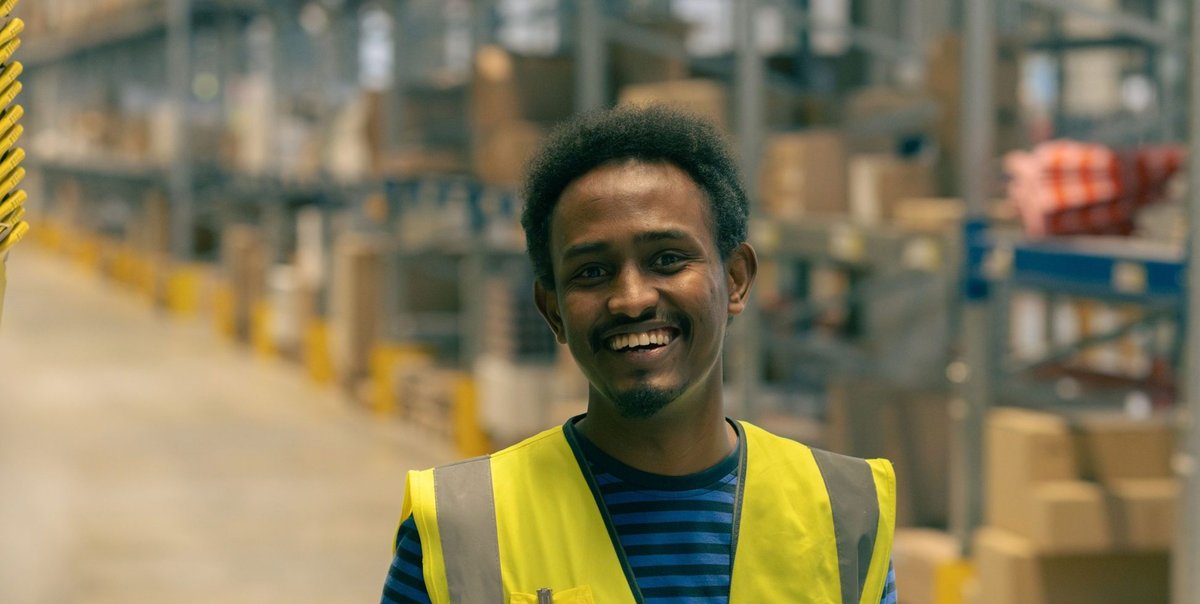
Abdi’s story
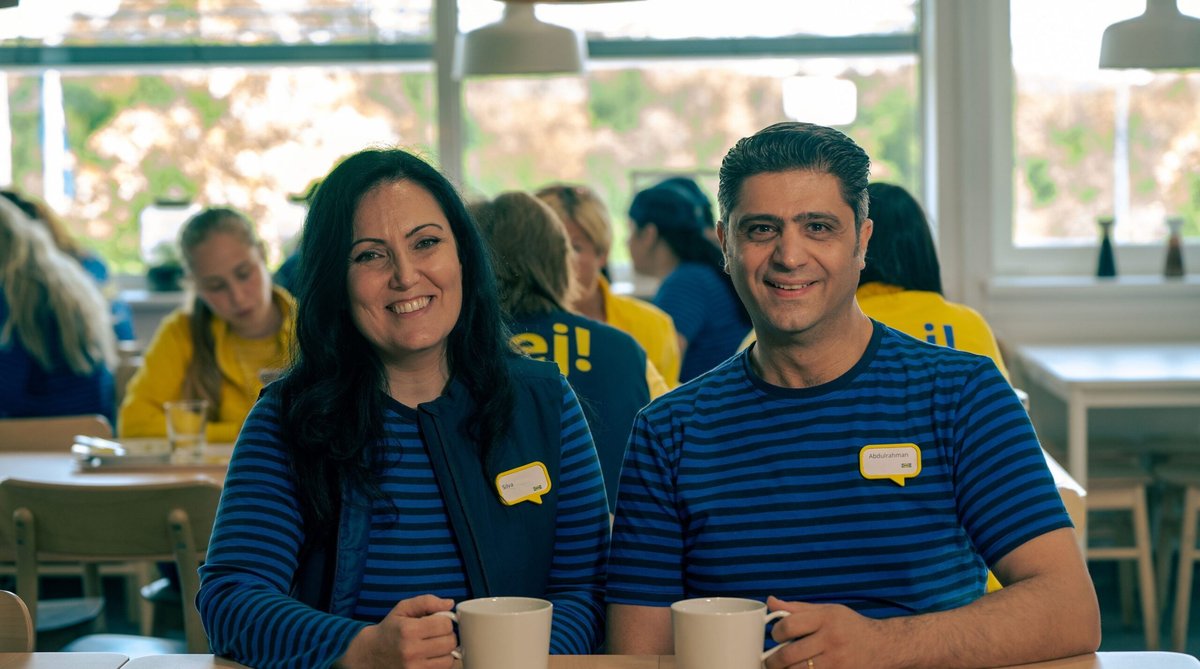
Silva and Abdul’s story
Edgar’s story
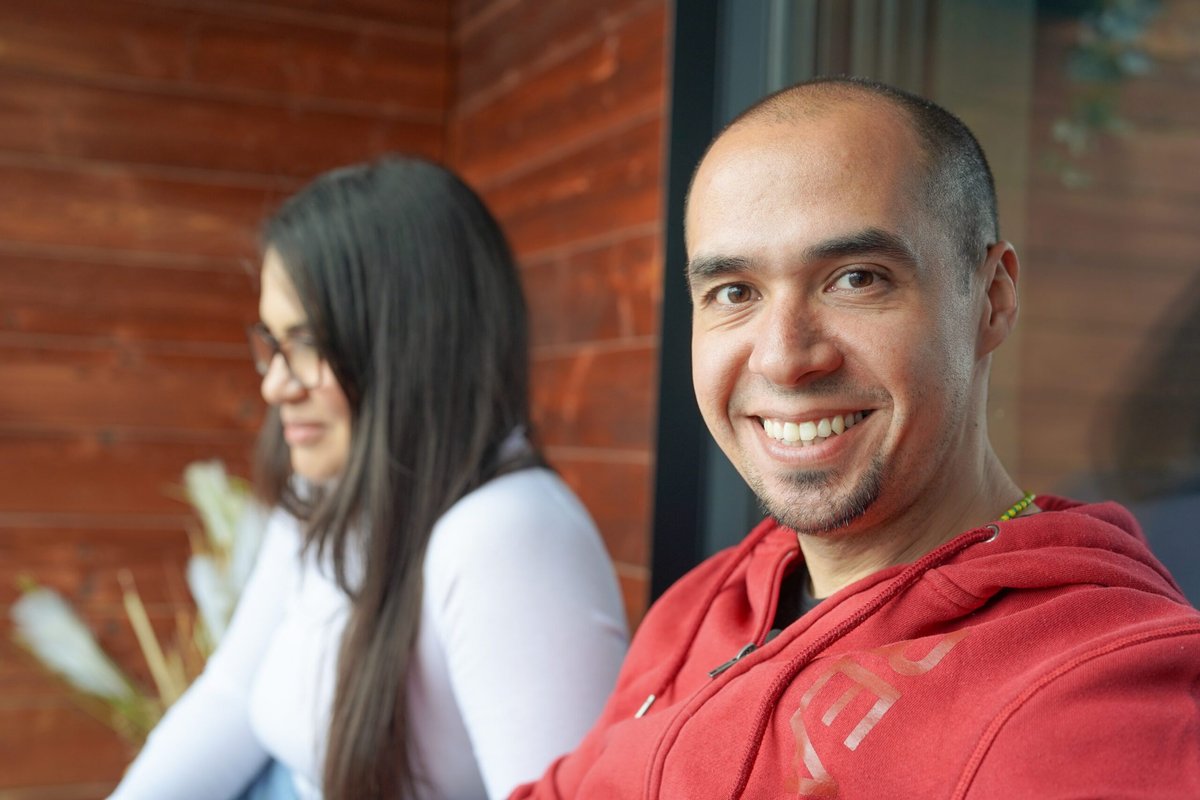
Shadia’s story
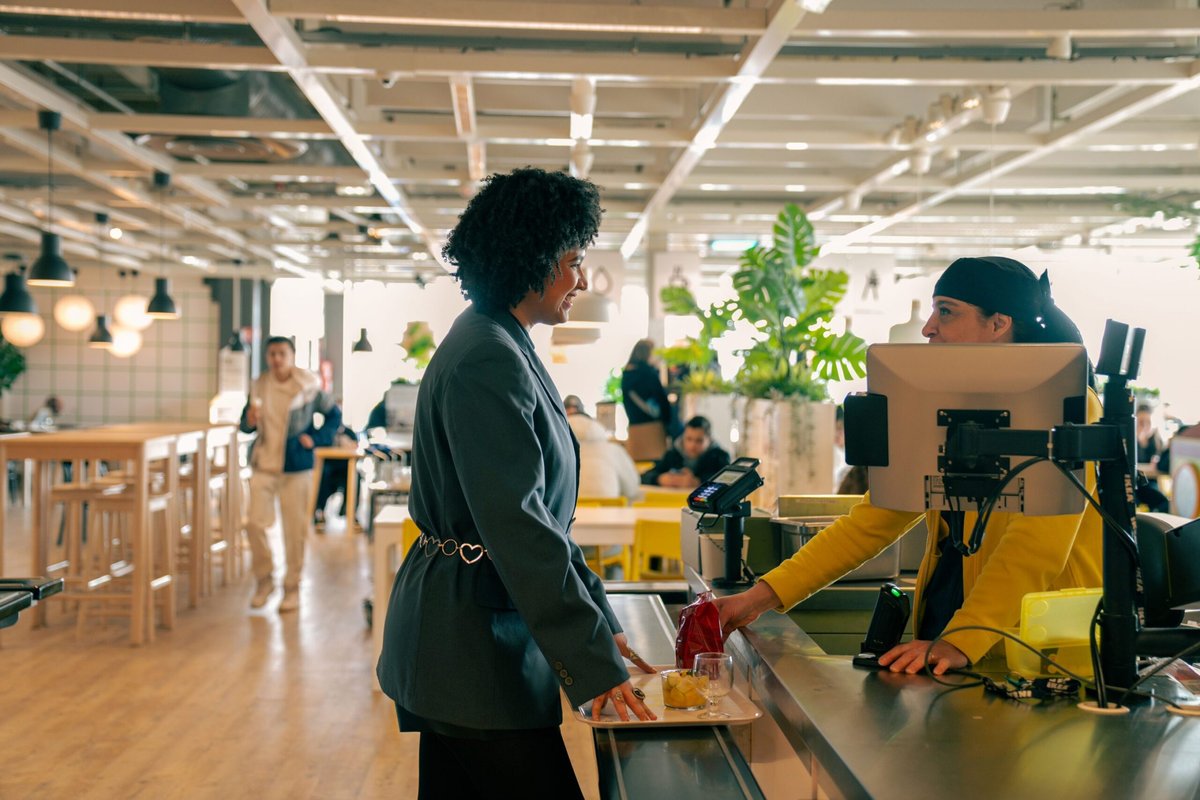
Yana’s story