In FY25, Ingka Group, the largest IKEA retailer, matched 94.8% of its annual electricity consumption with renewable sources, through a three-tier model spanning on-site generation, owned wind and solar assets, and energy certificates. Moving forward, the company will continue to focus on increasing energy efficiency, as well as growing the amount of energy it generates, owns and operates itself.
Three sources, one system
The energy transition is reaching a tipping point and transitioning to renewables simply makes business sense. According to the UN, nearly three-quarters of the growth in electricity generated worldwide was from wind and solar. Renewable energy offers lower operating costs in the long-term, new job creation, increased energy security all while decreasing emissions.
From the lights in a store to the conveyor belts in a warehouse, electricity runs through almost every part of Ingka Group’s operations. In FY25, 94.8% of that annual consumption was matched with renewable sources.
Renewable electricity does not come from a single switch. Ingka Group reaches its figures through a combination of generation, ownership, and market mechanisms, each covering a different part of the picture.
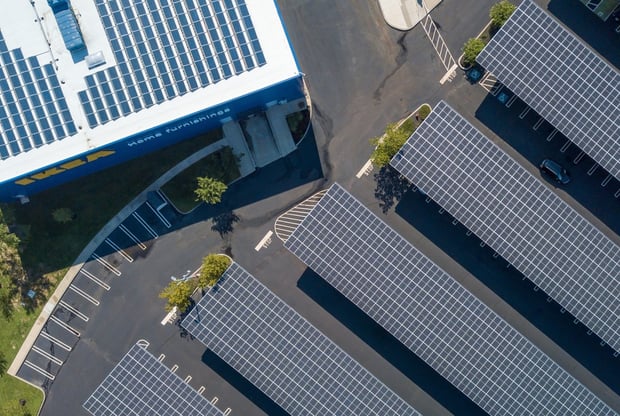
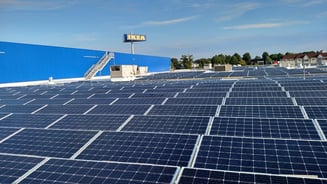
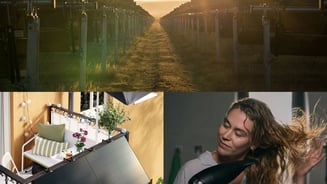
- On-site generation: Solar panels on store rooftops and carpark shelters supplied 7.8% of total electricity consumption in FY25.
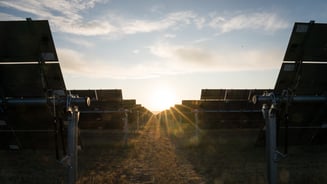
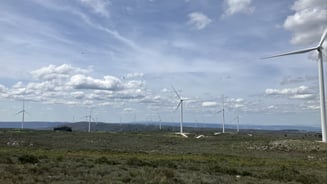
- Owned assets: Ingka Group owns and operates 49 wind farms and 26 solar parks across multiple countries, the largest single source at 49.1% of consumption.
- Energy Attribute Certificates (EACs): High-quality certificates covered the remaining 37.9%, used in markets where direct renewable sourcing is not yet viable.
The remaining 5.2%
In some markets, renewable electricity is not available at the scale or cost required. South Korea is one example: the policy and pricing conditions needed to source renewable electricity at Ingka Group’s volumes do not yet exist. The company is engaging with regulators and advocacy groups including Climate Group’s RE100 and the Asia Clean Energy Coalition to push for more enabling conditions, while also working to reduce overall consumption.
The other lever is energy efficiency. The less electricity stores and warehouses use, the smaller the gap to close towards 100% renewable electricity sourcing. Across the portfolio, Ingka Group is improving insulation, recovering energy from heating and cooling systems, and running annual energy action plans for its buildings.
“We’ll continue driving our renewable energy transition in our operations and beyond. The more energy efficient we can be, the more cost-effective and simpler it will be to match our total consumption going forward,” says Karen Pflug, Chief Sustainability Officer, Ingka Group.
“Joining RE100 in 2014 as one of our first members, Ingka Group (IKEA) has long demonstrated corporate ambition and leadership on renewable electricity. Members of our campaign, and their commitments to 100% renewables use, drive forward our policy advocacy work around the world. As companies continue to face renewables supply and grid connection barriers, we look forward to working with Ingka and others on how policymakers can unlock increased and accelerated renewables investment.” adds Ollie Wilson, Head of RE100, Climate Group
Solar panels, green walls, and 250 trees in Copenhagen
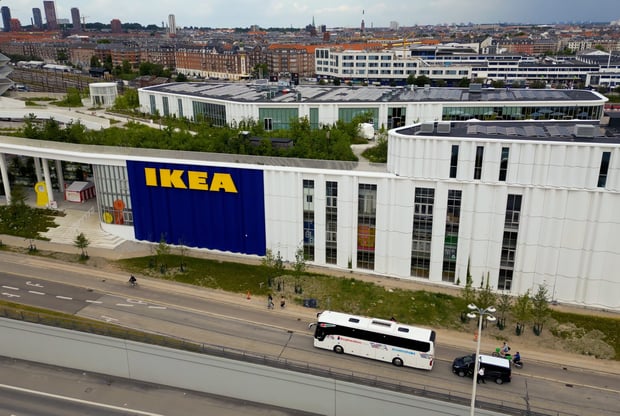
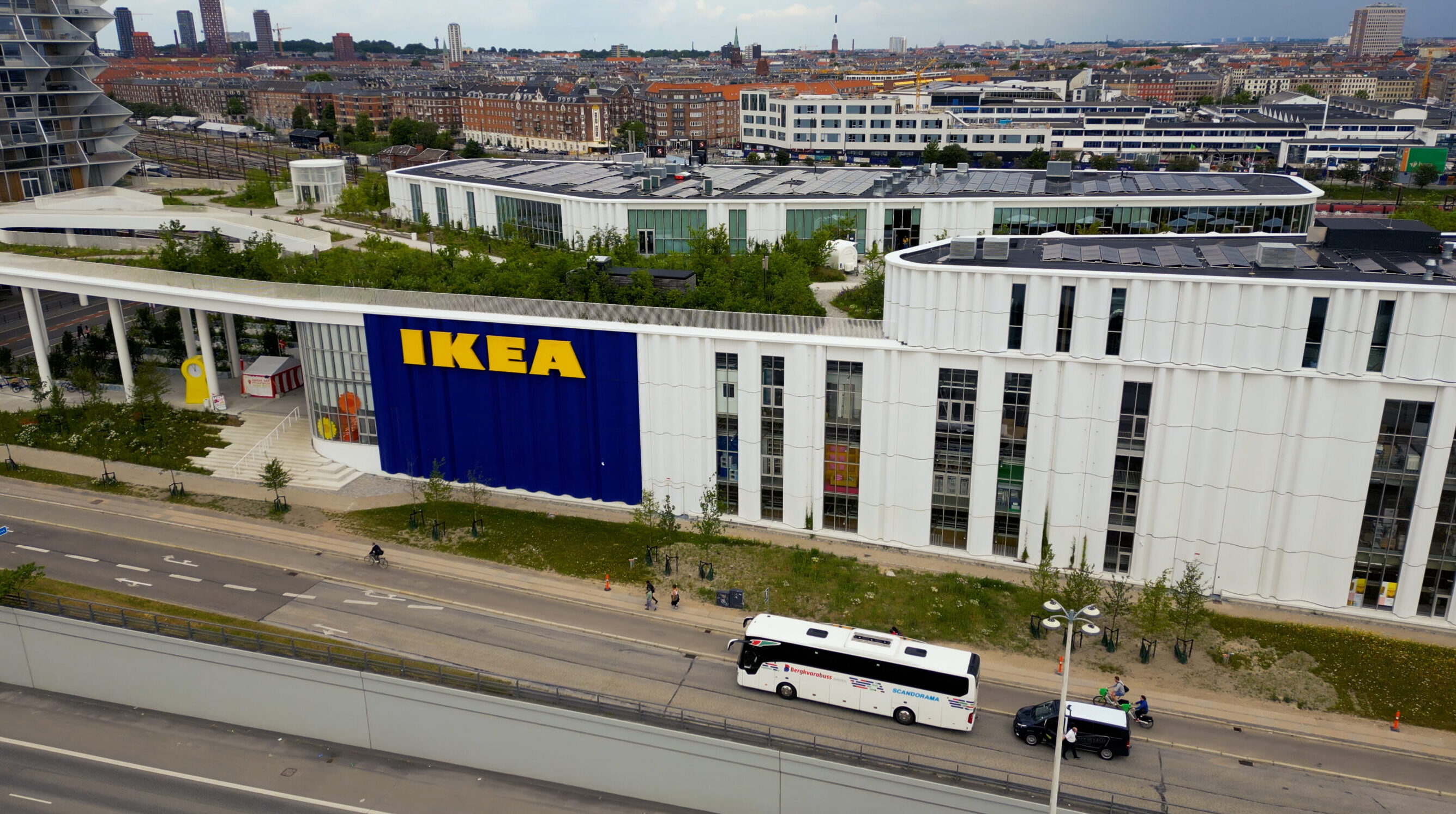
The approach shows up differently depending on the store’s location. The IKEA city store in central Copenhagen matches 10% of its own electricity consumption from rooftop solar, a meaningful share for an urban location without the footprint of out-of-town sites.
The building is also designed to minimise how much energy it needs in the first place. A heat reuse and night cooling system reduces demand for conventional heating and air conditioning. Parts of the facade are covered in plants, and a rooftop park with 250 trees and shrubs helps keep temperatures down while supporting local biodiversity.
What needs to happen next
Closing the gap requires action beyond Ingka Group’s own operations. The company is calling on governments to be ambitious and accelerate the market conditions that make renewable energy viable at scale, including more investments, stronger grid infrastructure, clearer policy frameworks, and market access for corporate buyers.
Ingka Group is committing EUR 7.5 billion into offsite renewable energy and supporting technologies by 2030, and EUR 1.5 billion into energy retrofits of its buildings to enable renewable heating and cooling. The goal is not just to match what the business uses, but to use less in the first place, and to help build the grid capacity that others can benefit from too.
Notes to editors
FY25 renewable electricity figures: 94.8% of annual consumption matched with renewable sources; 7.8% from on-site generation; 49.1% from owned wind farms and solar parks; 37.9% from Energy Attribute Certificates. Ingka Group owns and operates 49 wind farms and 26 solar parks globally. The 94.8% match represents a 70.6% reduction in absolute Scope 1 and 2 emissions against the FY16 baseline.
Full FY25 Annual Summary and Sustainability Report: https://www.ingka.com/annual-summary-and-sustainability-report/
About Ingka Group
With IKEA retail operations in 32 markets, Ingka Group is the largest IKEA retailer and represents 87% of IKEA retail sales. It is a strategic partner to develop and innovate the IKEA business and help define common IKEA strategies. Ingka Group owns and operates IKEA sales channels under franchise agreements with Inter IKEA Systems B.V. It has three business areas: IKEA Retail, Ingka Investments and Ingka Centres. Read more on Ingka.com.
Media enquiries
For further information, journalists and media professionals can contact us at [email protected] or by calling +46 70 993 6376.