A group of schoolgirls on their way to school.

Fair & Equal

More than 800 million people still live in extreme poverty (World Bank) Discrimination remains widespread, and human rights violations persist across the world (UN Human Rights Annual Report). Beyond the moral dimension, this inequality carries economic consequences – disrupting supply chains and undermining long-term social stability. Businesses, including Ingka, have both an opportunity and a responsibility to work alongside governments and civil society to help build fairer, more resilient societies.

Contributing to fairer, more equal societies

Respect for human rights is the foundation of everything we do to support fairer, more equal societies – it’s integrated into our strategies, policies and processes. We focus on three areas where we can make a concrete difference: our co-workers, workers in our supply chain, and the communities where we operate.

For our co-workers, we are committed to fair pay and safe, inclusive working conditions – 100% of co-workers earn equal to or above the applicable adequate wage benchmark in their location.

For workers in our supply chain, our supplier code of conduct IWAY sets clear expectations on labour rights and working conditions.

In the local communities where we operate, we run initiatives aimed at supporting people experiencing or at risk of social exclusion and poverty.

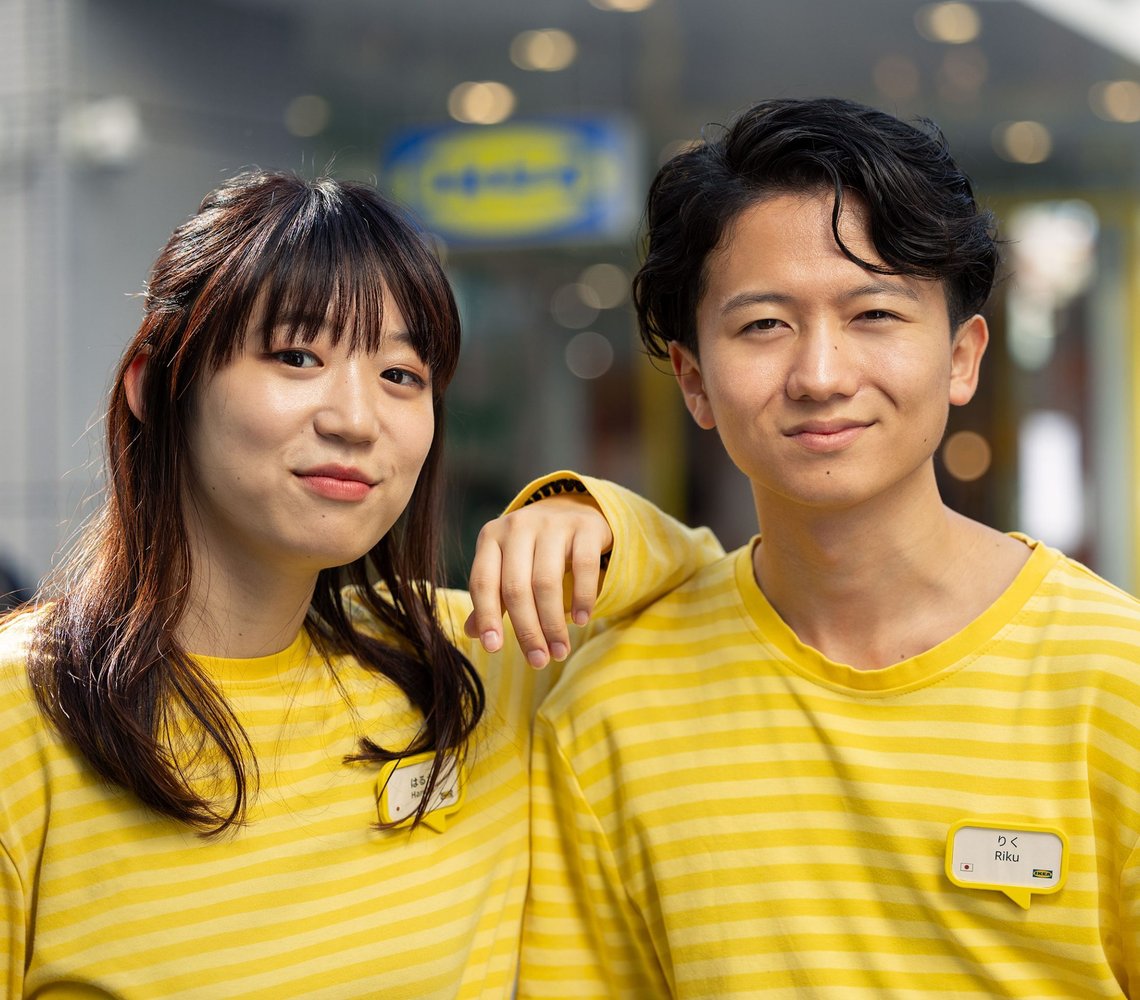
Two IKEA colleagues wearing yellow shirts standing in a store.

Refugee inclusion at Ingka

Businesses can play an important role in helping refugees build stable lives in their new homes. Employment is fundamental to social and economic inclusion, and we believe that integrating refugees brings valuable skills and diverse perspectives that strengthen our business and benefit the communities where we operate.

Ingka Group actively supports refugees in becoming part of society and the economy. Our Skills for Employment programme provides skills development for displaced people who need support before entering the workforce. Our Hiring Displaced Talent Framework complements this by proactively seeking out forcibly displaced individuals for direct employment opportunities at IKEA.

We also work to promote refugee inclusion more broadly, by inspiring other businesses to adopt similar approaches. Working with partners including UNHCR, the UN Refugee Agency, we support refugees’ rights and social inclusion. As shown in our Annual Summary and Sustainability Report FY25 (p. 51), we have supported almost 5,000 refugees across 26 countries since FY20.

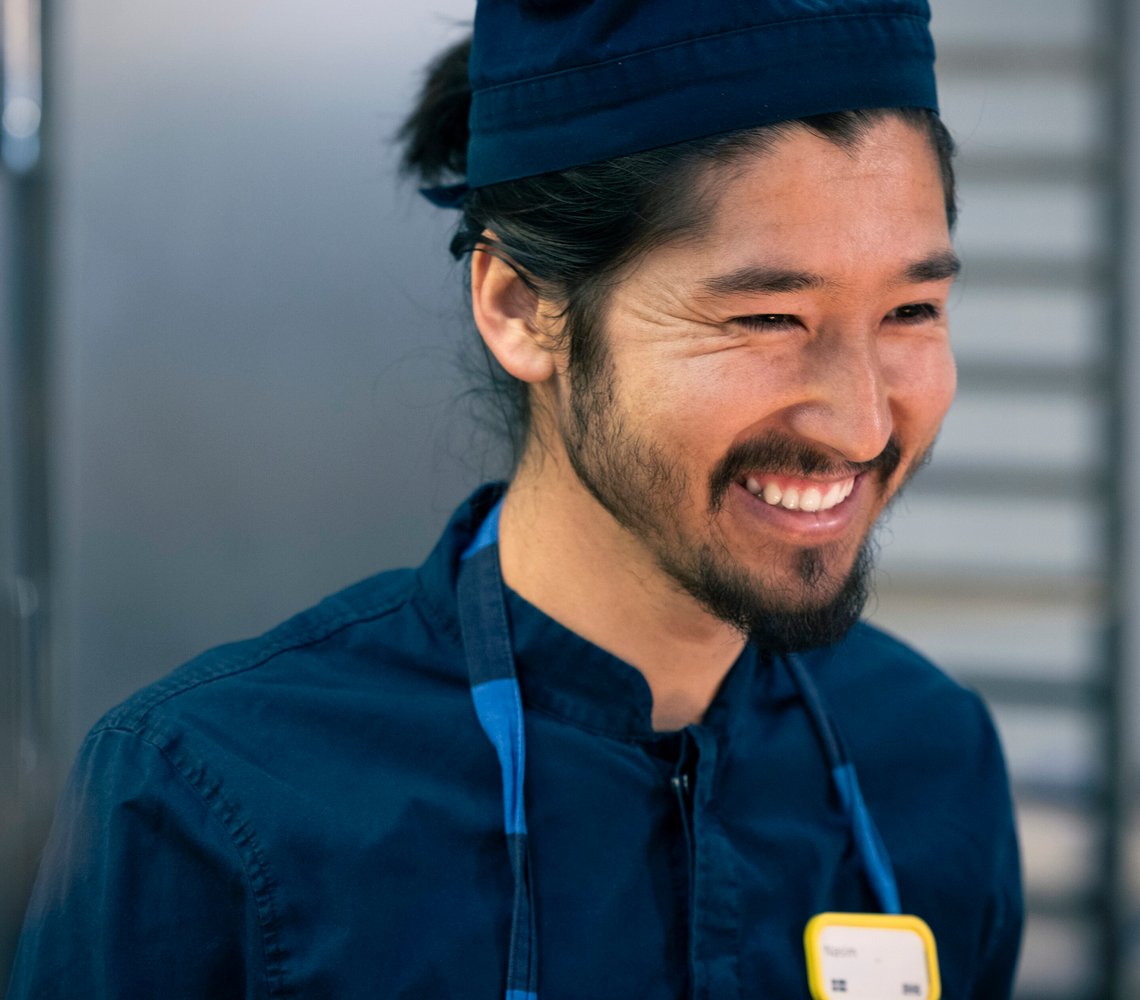
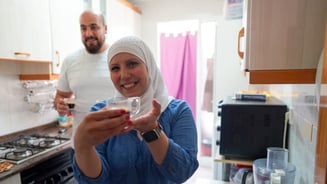
IKEA restaurant co-worker smiling.

Social initiatives for our local communities

We work to support people experiencing or at risk of social exclusion and poverty in the local communities where we operate, focusing on five key areas:

1. Increasing access to better homes – for example, by partnering with the homelessness charity Shelter in the UK, where IKEA funds housing rights workers to help community members understand their housing rights.

2. Empowering youth and children – such as by partnering with the Norwegian Red Cross to support Fellesverket, a network of free, open youth centres across Norway.

3. Opening pathways to decent employment – for example, through our Skills for Employment programme for displaced people.

4. Supporting and collaborating with social enterprises and community organisations – such as through our partnership with Conexi in Sweden, which supports the creation of employment opportunities, or through our partnership with Sveriges Stadsmissioner, which supports access to essential goods and services.

5. Responding to emergencies – supporting local neighbourhoods to respond to and recover from natural disasters and other emergencies. For example, following the Valencia floods in 2024, IKEA provided free retail space to up to 25 affected local businesses and delivered a €3.5 million support package for communities, co-workers and local organisations.

In FY25, we have directly and meaningfully supported 93,789 people experiencing or at risk of social exclusion and poverty through our community initiatives, measured in line with the Business for Societal Impact (B4SI) framework – a recognised global standard for measuring corporate social impact.

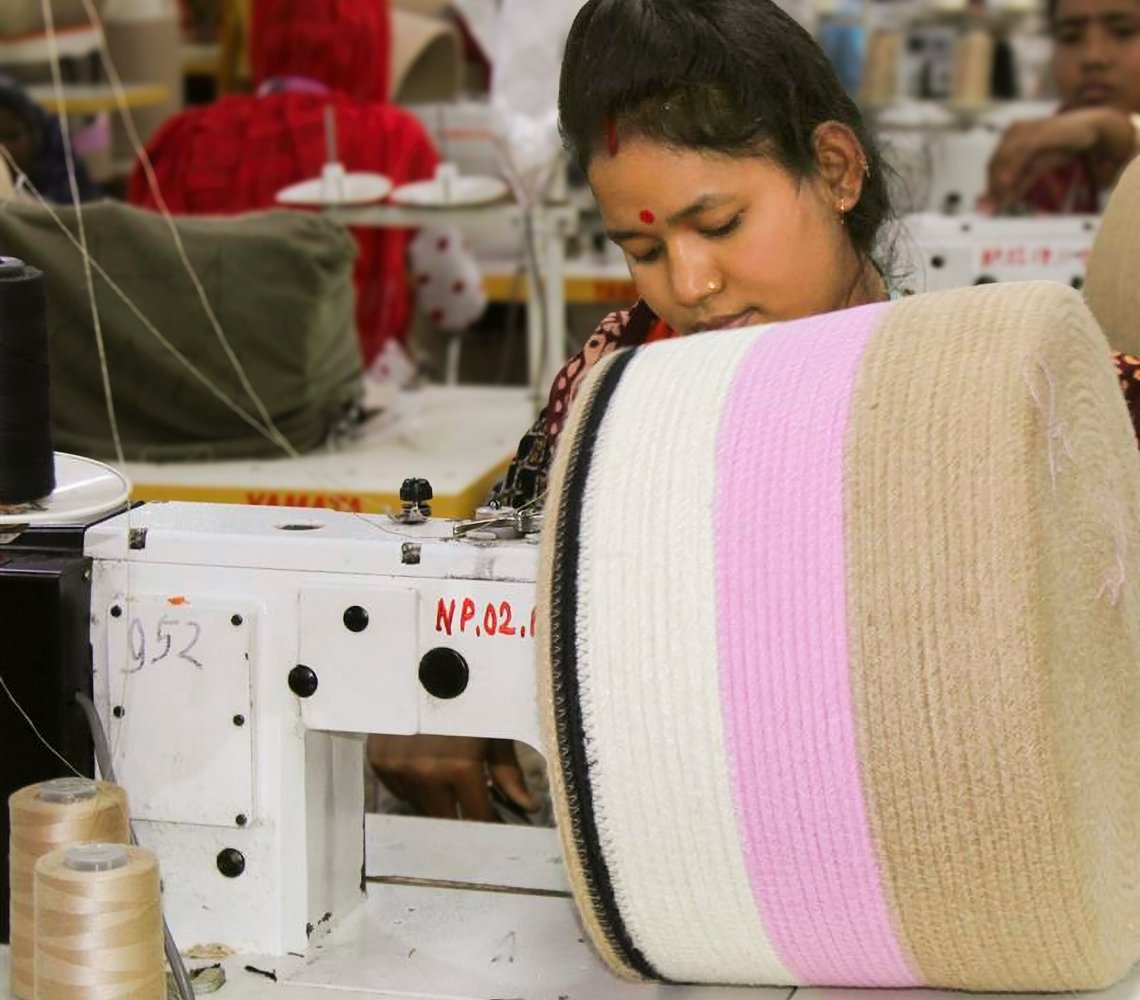
Woman sewing textiles at IKEA supplier factory.

FAQ

  • Which groups do Ingka's social impact initiatives aim to support?
  • How do you measure your social impact?
  • Do you work with social enterprises?