Climate change and nature loss: Climate change, biodiversity loss, water scarcity and pressure on natural resources are increasingly affecting nature and people worldwide
Unsustainable consumption: In a world that already uses resources requiring more than one planet, billions of people put an even greater pressure on the planet.
Inequality: Every year, people move out of poverty, while others tragically fall back into it. There is also an ever-increasing level of inequality in the world with a widening gap between the wealthiest in society and the rest. Gender equality is far from a reality, and many people are still denied basic rights and equal opportunities.
As a response to these three challenges, we’ve identified corresponding focus areas to help us fulfill the IKEA vision and become more sustainable:
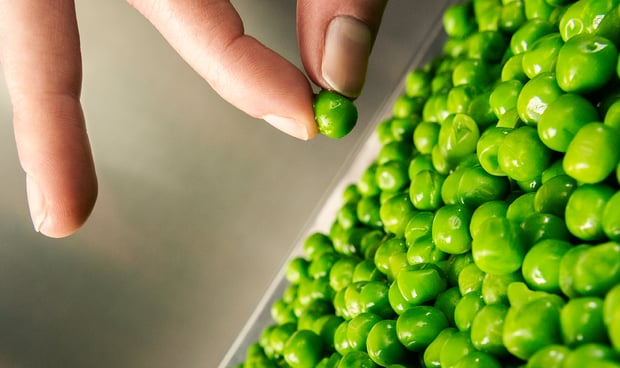
- Everyday living is how we describe our work to help people live in ways that use less energy, water and resources. In practice, that means making healthier, lower-impact choices more affordable, attractive and accessible through products and services that help our customers reduce their energy and water use at home, and a food offer with more plants and less meat.
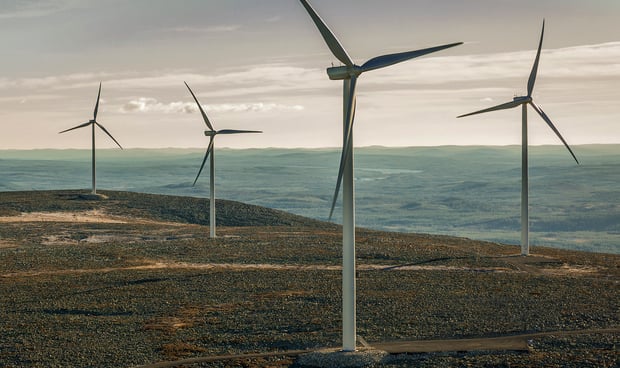
- Climate and nature is how we describe our work on climate change and the connected challenges of nature and biodiversity loss, water scarcity and resource scarcity. Our measures include improving energy efficiency, matching our electricity use with renewable electricity sourcing, making home deliveries in electric or other zero-tailpipe-emission vehicles, and retrofitting our units with renewable heating and cooling.
- Circularity is how we describe our part in the circular economy. In practice, that means recycling waste from our own operations, making it easier for our customers to reuse, repair and recycle your IKEA products, and investing in companies developing recycling and waste-prevention technologies.
- Fair and equal focuses on respecting human rights, ensuring decent and meaningful work, and advancing diversity and inclusion across the value chain – in line with the UN Guiding Principles on Business and Human Rights.