Transitioning towards a circular business is a systemic change that impacts every aspect of the IKEA value chain. From how we run our operations, to enabling customers to prolong product life, our investments in the wider circular economy, as well as well as collaborating with others to scale and mainstream circularity knowledge and action.
Circularity
Circularity is another key focus area in our sustainability strategy and an enabler to tackle climate change, reduce pollution and waste, regenerate resources, and lessen our impact on nature. Circularity creates long-term business resilience by reducing dependency on virgin, non-renewable materials, and helping us achieve our business idea of offering well-designed, functional, durable, affordable and sustainable home furnishing solutions to people with big dreams and thin wallets.
Transitioning towards a circular business
For Ingka Group, transitioning towards a circular business means:
Reducing waste in our operations
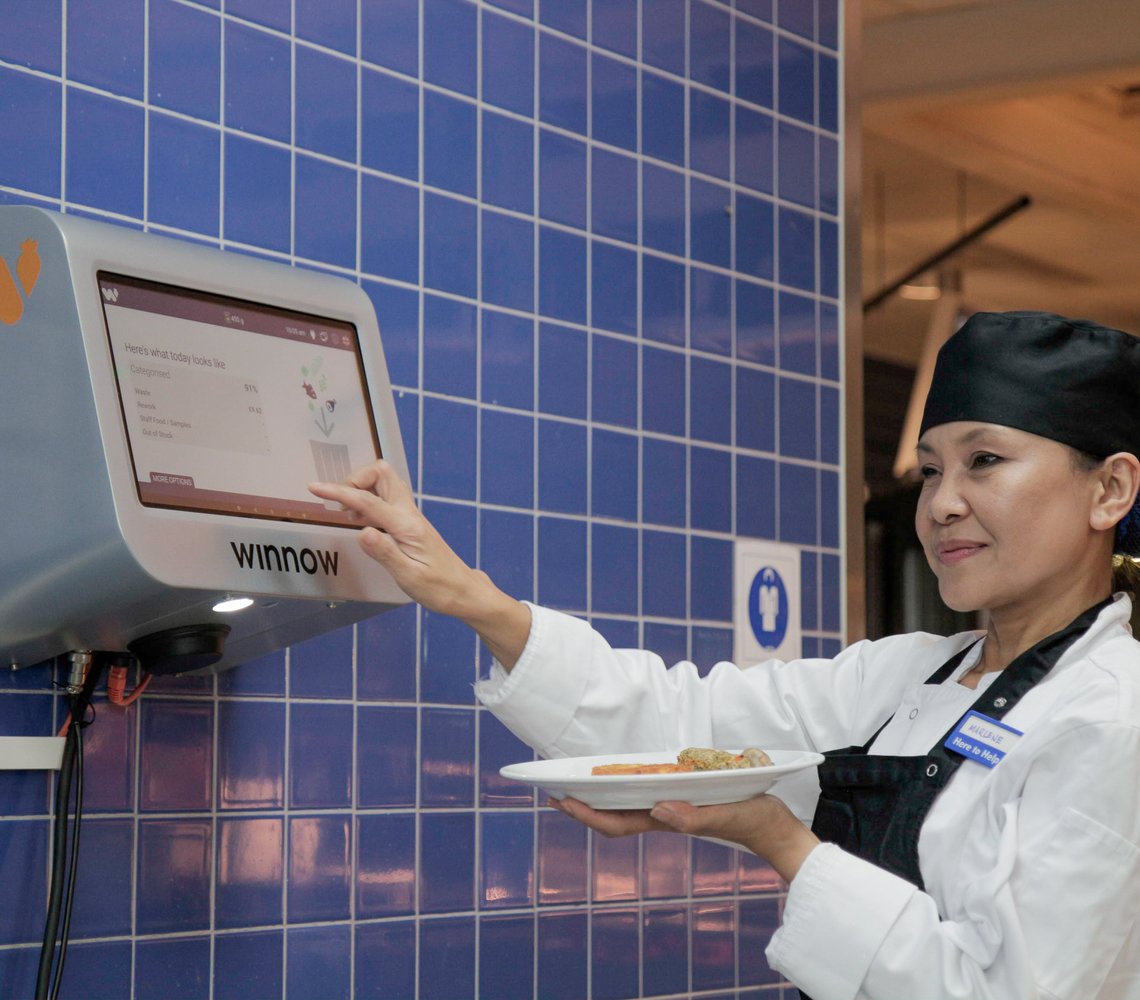
We are actively working on reducing our operational waste and strive to recycle 100% of waste generated in our own operations by 2030. Part of our waste is food. Ingka is recognised by World Resources Institute (WRI) as the first private sector organisation to halve pre-consumer food waste in line with SDG 12, by using Winnow´s AI technology in our restaurants & bistros. We also partner with the Too Good To Go app to rescue food and sell it to a reduced price in IKEA stores in 15 markets.
Spare and assembly parts
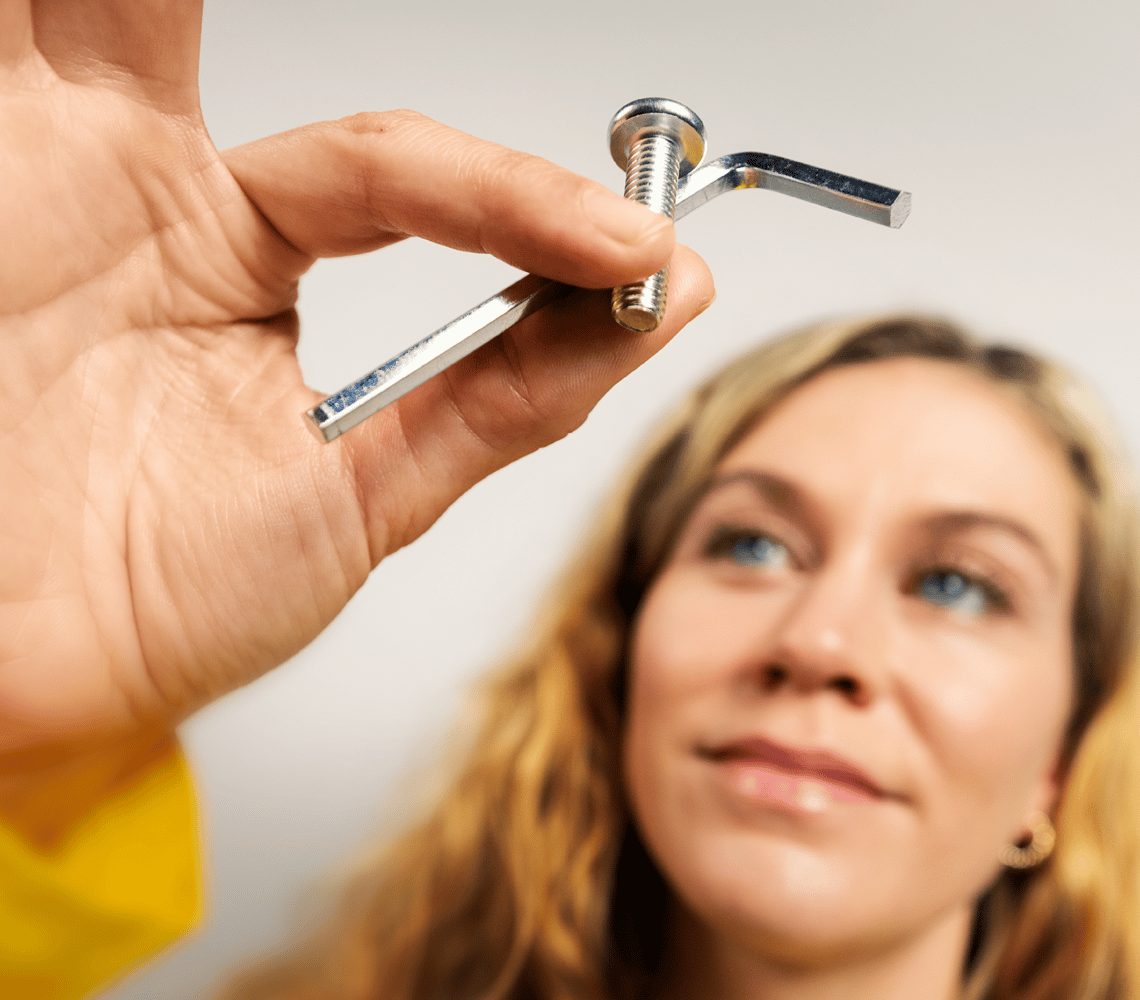
We offer assembly and spare parts. The assembly parts can be ordered for free online and these include nuts, bolts, screws and dowels.
Buy and sell second-hand
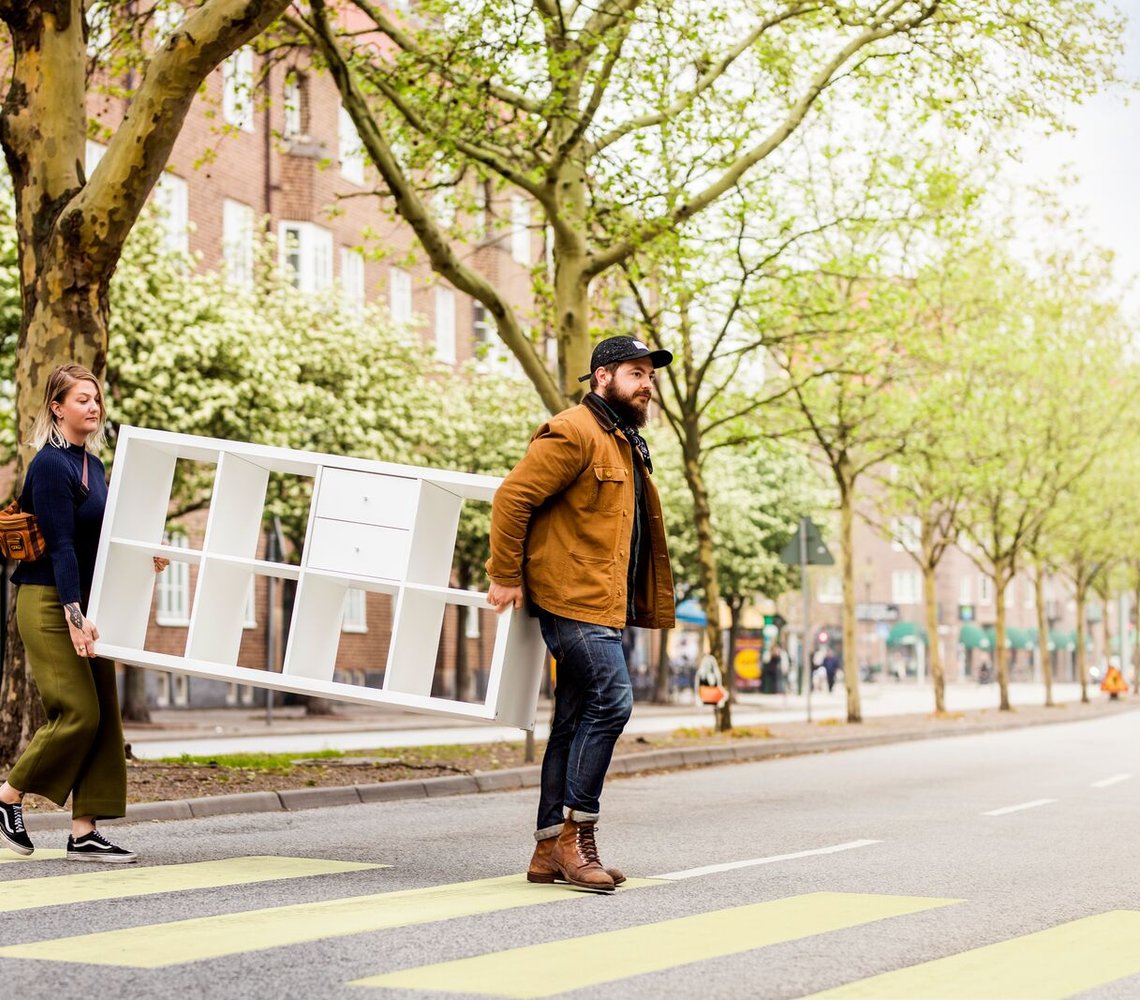
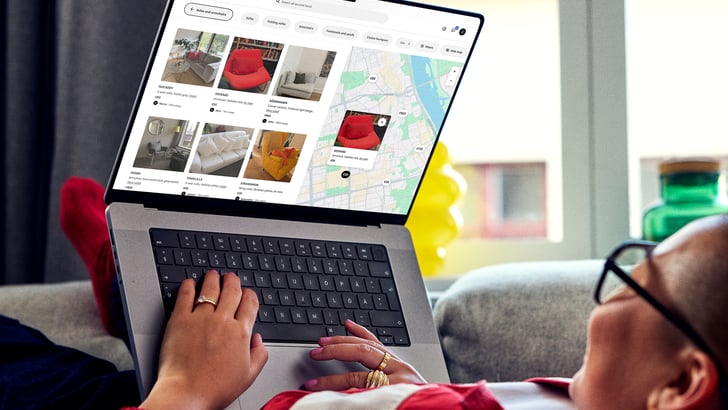
To keep our products in use for as long as possible, we make it easy for our customers to buy and sell pre-loved IKEA pieces, either directly from IKEA or from other customers through the IKEA Second‑hand Marketplace. Through our Buyback service, customers can sell their IKEA furniture back to the store and receive in‑store credit. They can also choose to shop second chance products, such as ex-display products.
Global partnerships
We are collaborating with others to implement, scale and mainstream circularity standards and action. We partner with the World Business Council for Sustainable Development (WBCSD) to help shape a Global Circularity Protocol (GCP) for business to establish common standards, metrics and a shared global language around credible business circularity.
FAQ
-
What is Ingka Group doing to advance the transition towards the circular economy?
Transitioning towards a circular business is a systemic change that impacts every aspect of the IKEA value chain. Ingka Group is responsible for the downstream value chain and operations. For example, how we can reduce operational waste and integrate circular principles in our indirect procurement practices. We are also developing services and solutions for consumers, making it easier for people to reuse, repair, refurbish and recycle and enabling more people to participate in the circular economy. We have the responsibility and the opportunity to take a lead in accelerating the circular economy beyond IKEA. We do this by investing, through Ingka Investments, in high potential companies that are developing technology or growing capacity to prevent and/or recycle waste.
-
How is IKEA integrating circularity into product design?
Inter IKEA Group is responsible for the upstream value chain, which includes sourcing of materials as well as product design. Circular design principles are embedded in Democratic Design to ensure that we design for the intended use of the product, as well as design the product to move through the circular loops so that the life of the product could be extended. The design principles include designing for renewable or recycled materials, standardisation, care, repair, adaptability, disassembly and reassembly and recyclability. Read more here: Our circular agenda – IKEA Global
-
How does your second-hand offer contribute to a circular economy?
We want to inspire and encourage people to participate in the circular economy, and support our customers to reuse, refurbish and recycle their products by developing circular services such as repair, removal, and second-hand. Our second-hand offer, both online and in-store, enables people to prolong the life of their IKEA products at the highest value possible as well as reducing individuals environmental impact.
-
Does the IKEA business idea of offering home furnishing products at low prices inspire people to overconsume?
Our business idea is to offer a wide range of well-designed, functional home furnishing products at prices so low that as many people as possible are able to afford them – we call this Democratic Design. We believe that everyone deserves a better everyday life at home no matter the size of the wallet and that sustainability and affordability should go hand-in-hand. Our prices are possible because of IKEA’s long and responsible relationships with partners, and the fact that we take care of the full IKEA value chain: from Inter IKEA Group sourcing materials, to designing and manufacturing, to Ingka Group’s retail operations and and meeting our customer needs.