Growing our forests with natural regeneration, reforestation and afforestation

Forests are essential for mitigating climate change, capturing and storing carbon, and maintaining biodiversity.

Forests play a scientifically recognised role in carbon sequestration and biodiversity conservation. Our forests recorded a net growth of approximately 0.5 million cubic metres per year — meaning we harvest less than the natural growth of the forest, preserving and growing the forest’s carbon stock over time. We are working to quantify the total carbon sequestration contribution of our portfolio and will publish independently verified figures as part of our FY26 reporting.

As global demand for natural resources such as wood increases, it’s crucial that harvesting practices protect and replenish forests. Regeneration and afforestation are key strategies in reversing the damage caused by deforestation, restoring ecosystems, and expanding forest cover. Let’s explore how they apply to Ingka Investments forestland.

Want to read about the other two pillars of our responsible forest management approach? Learn about conservation and biodiversity and community engagement.

Wood and IKEA

Wood is a vital material for IKEA. We acknowledge our responsibility and are committed to leveraging our size, scale, and global reach to stop deforestation and promote responsible forest management and wood sourcing worldwide. In addition, 94.7% of our forestland portfolio was independently certified and the rest in the progress of becoming certified, and partners must comply with specific Terms of Engagement. Forest Management Plans and related documents are publicly available, with over 1,500 stakeholders invited to comment each year.

Did you know…? The forests Ingka Group owns have a net growth estimate of 0.5 million cubic meters per year, meaning we harvest less than the natural growth of the forest.

Natural regeneration - allowing nature to rebuild

In natural reforestation, forests recover and renew themselves naturally, often through seed dispersal, germination and seedling establishment. This often means a harvested tree stand is left untouched for a period to allow nature to work its magic.

Reforestation – restoring forests

Reforestation involves restoring former forests or revitalising ecosystems that have been harvested, degraded, or disturbed.

Naturally, harvesting wood creates a disturbance, so reforestation is crucial to maintaining the long-term health of our forests. After harvesting, we focus on restoring forest cover with a balance of natural reforestation and by planting millions of new trees.

  • Hurricane Michael, Florida

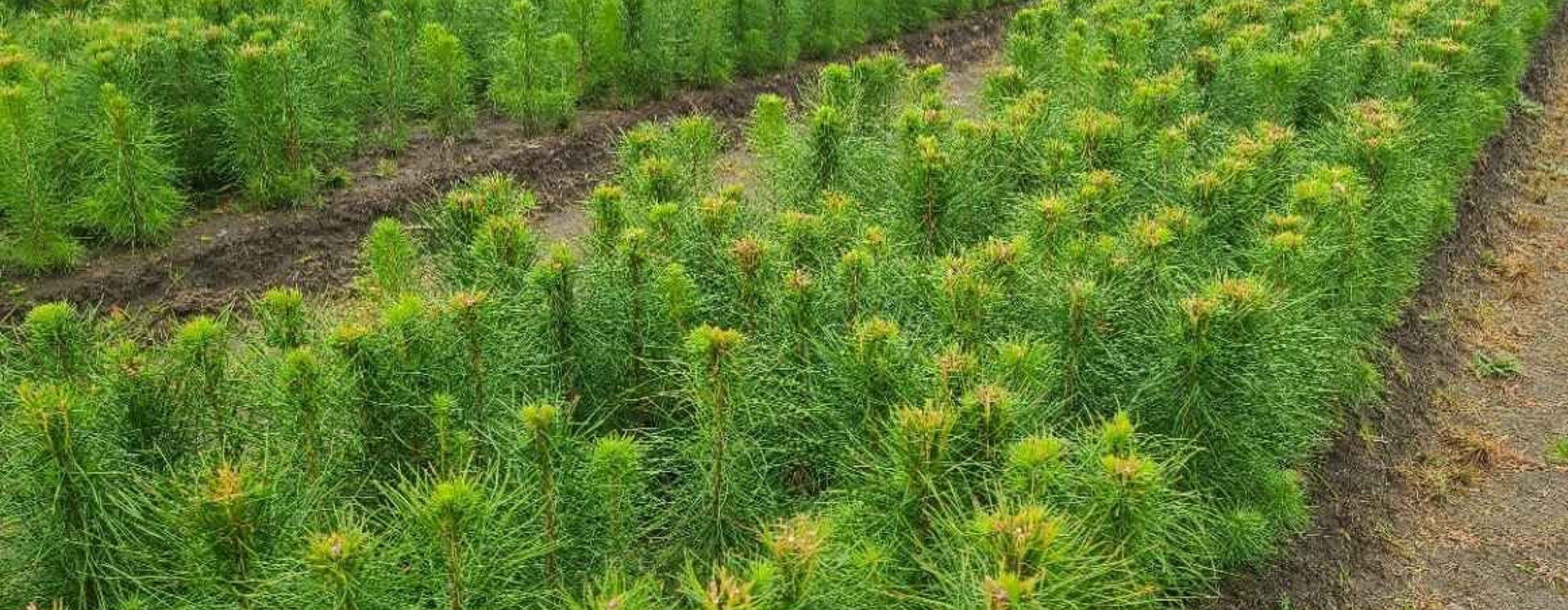
Did you know...? In FY25 alone, we planted almost 14 million seedlings in Ingka-owned forests.

Rows of small tree plants on farmland

Afforestation – building new (future) forests

Afforestation involves planting trees in areas that were not previously forested, playing a crucial role in restoring degraded landscapes.

We use afforestation to convert non-forest land into new forests. Through afforestation, we created over 5,000 hectares of new forest in FY25, as verified through independent certification audits.

  • Former pastoral land, Aotearoa New Zealand

Natural regeneration, reforestation and afforestation are central to Ingka Investment’s commitment.

We aim to actively restore and reforest degraded landscapes, harvesting less than the natural growth and planting millions of trees each year.


Want to read about the other two pillars of our responsible forest management approach? Learn about conservation and biodiversity and community engagement.

Stay up to date

Follow Ingka Investments on LinkedIn for the latest news and announcements.