For decades, IKEA stores appeared where few other retailers would go – on the outskirts of towns, near highways, and sometimes even on former potato fields. They quickly became places to spend the day exploring room sets, planning future projects, enjoying a meal, and discovering new ideas for life at home.
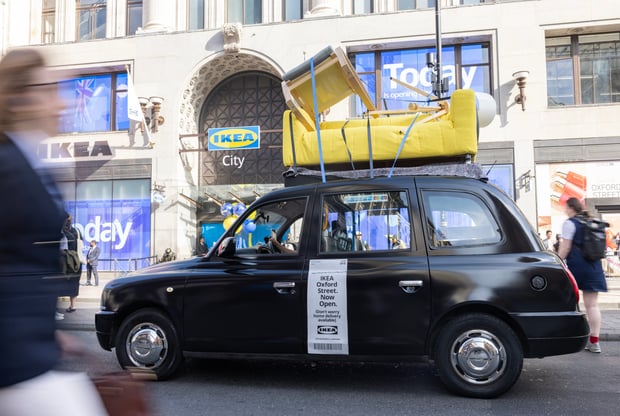
The “big blue box” helped IKEA grow across Europe, Asia, Australia, and North America, where the availability of spacious suburban land made it possible to replicate the full IKEA experience. But as cities have grown denser and customers have asked for greater flexibility, the company made its move into urban life in 2019, opening one of its first downtown stores in the world – in Paris.
“Opening La Madeleine back then was really a test lab for us. We had decades to perfect our classic stores, but in the beginning, we were still figuring out how to make city-centre stores work,” says Thibault Tabard, Market Expansion Manager for IKEA France.
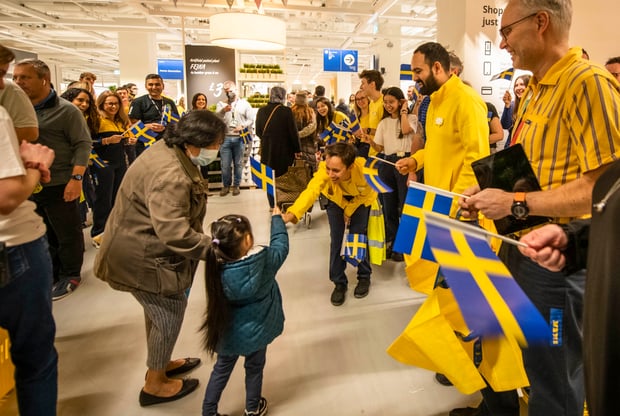
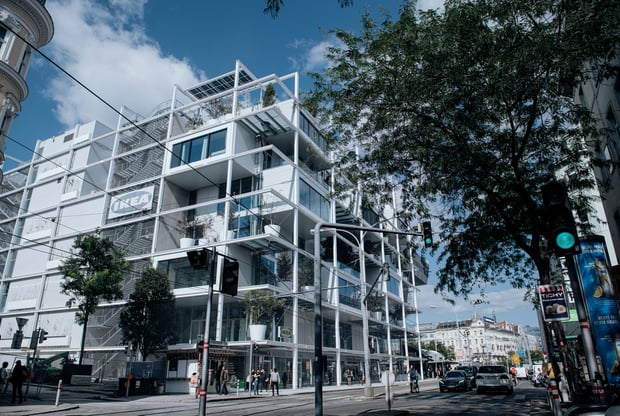
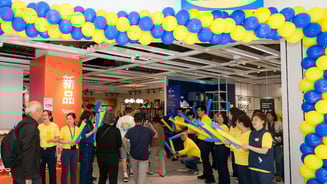
Since then, IKEA has found a home in communities across downtown London, Tokyo, Stockholm and many other capitals, with New York among those still to come. Customers embraced smaller stores with a curated yet broad selection of the range, closer to where they live and spend their time. From 375 mostly out-of-town stores in 2020, today the many can get home furnishing advice, plan their kitchen, or pick up their BILLY bookcase in more than 650 locations across 32 countries.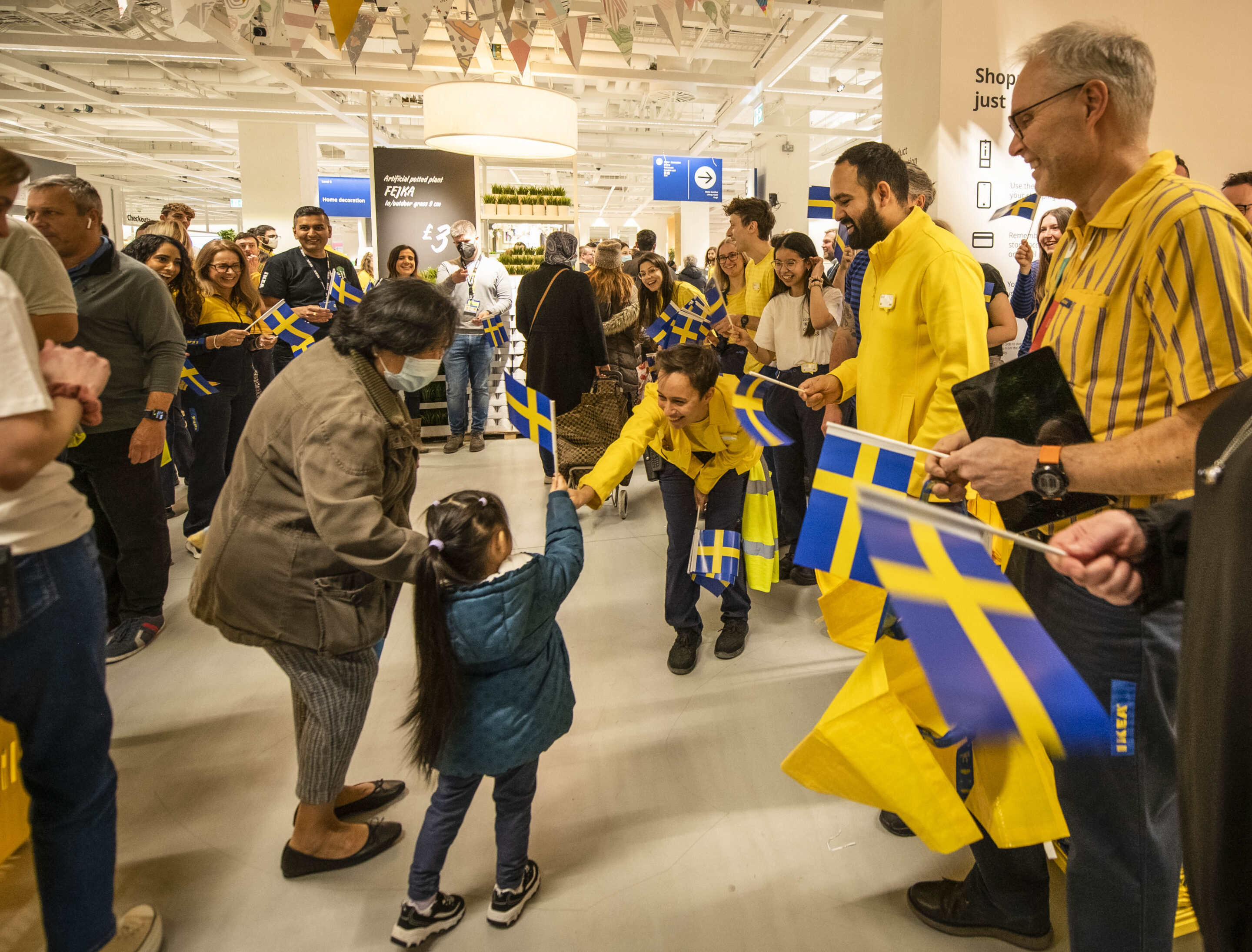 But not everything was to customers’ taste. They asked for more products available for immediate pickup at city stores – and IKEA responded. Navigating these downtown stores also turned out to be less straightforward than expected.
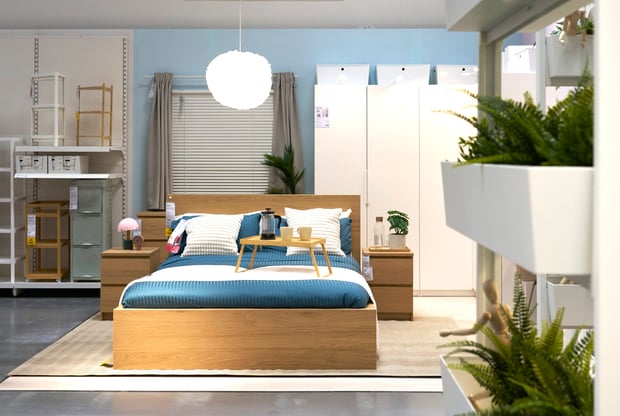
“We thought customers would prefer a free-flow layout and explore city stores on their own, without arrows,” says Javier Quiñones, Global Commercial Manager, Ingka Group (IKEA). “But we quickly realised we were wrong. Even in smaller stores, customers want to be guided, just like in the big ones, so we changed that.”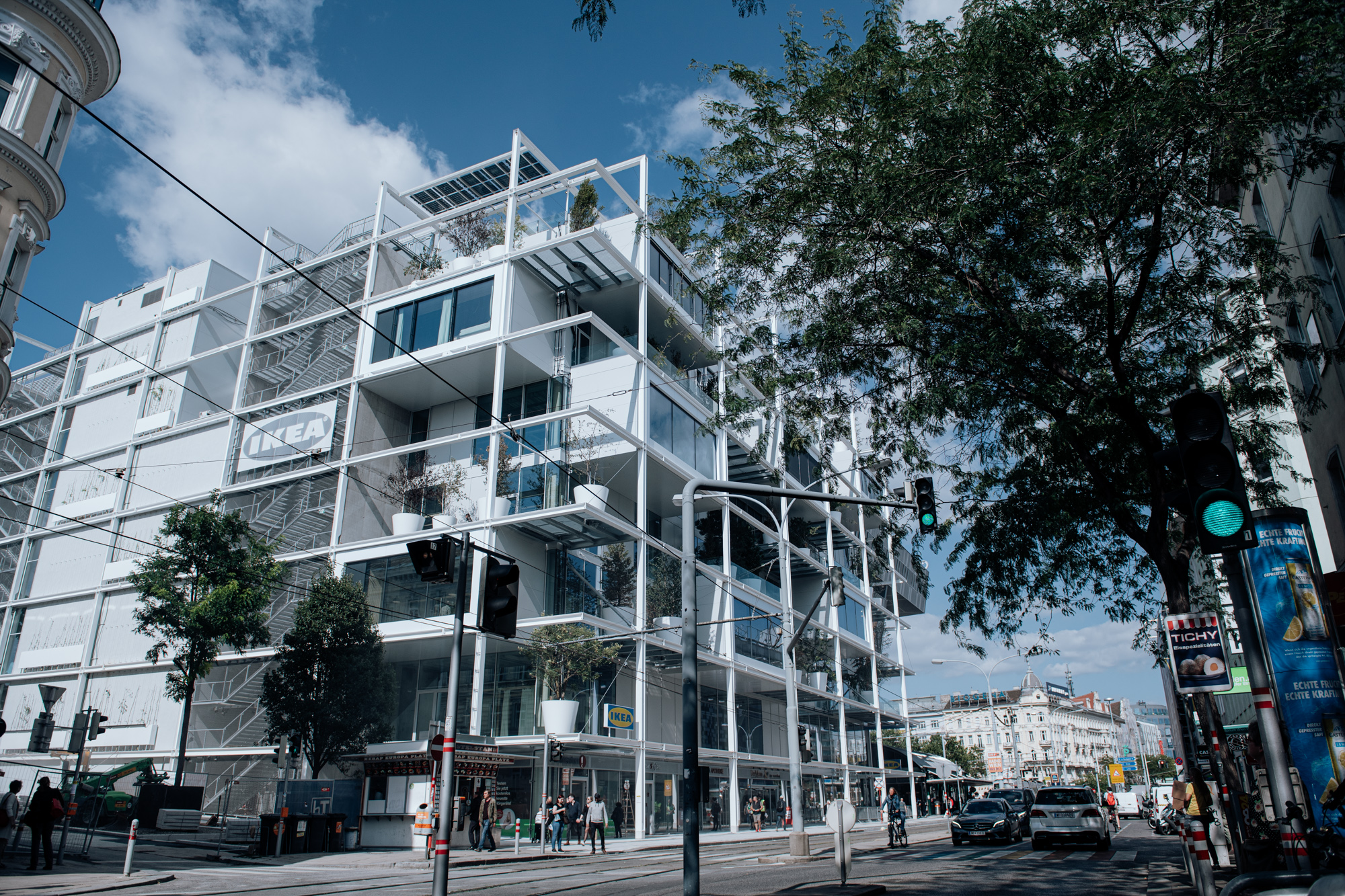 With a backpack of learnings and customer feedback, the company is now piloting a new kind of smaller stores for towns and suburbs where the Swedish retailer has not been present so far. Designed to open faster, these small stores will be located primarily in retail parks where people already go for their weekly shopping – making an IKEA visit something that can be done between groceries and the gym. And although on average about a tenth in size compared to the classic store, they offer more than a quarter of the IKEA range for immediate pick-up.
“For many people, this will be their first IKEA nearby – and that is incredibly exciting, because it means inspiration, planning and great products are suddenly part of everyday shopping,” says Quiñones.
After the initial test in the UK, Poland, and the US, IKEA is now expanding with 20 more new smaller stores in towns and communities in France, Germany, Italy, Spain, Portugal, and Canada.
“This is a smart, affordable, and deeply local way for us to grow the IKEA experience,” adds Quiñones. “We are optimistic that these stores will prove to be the right recipe.”
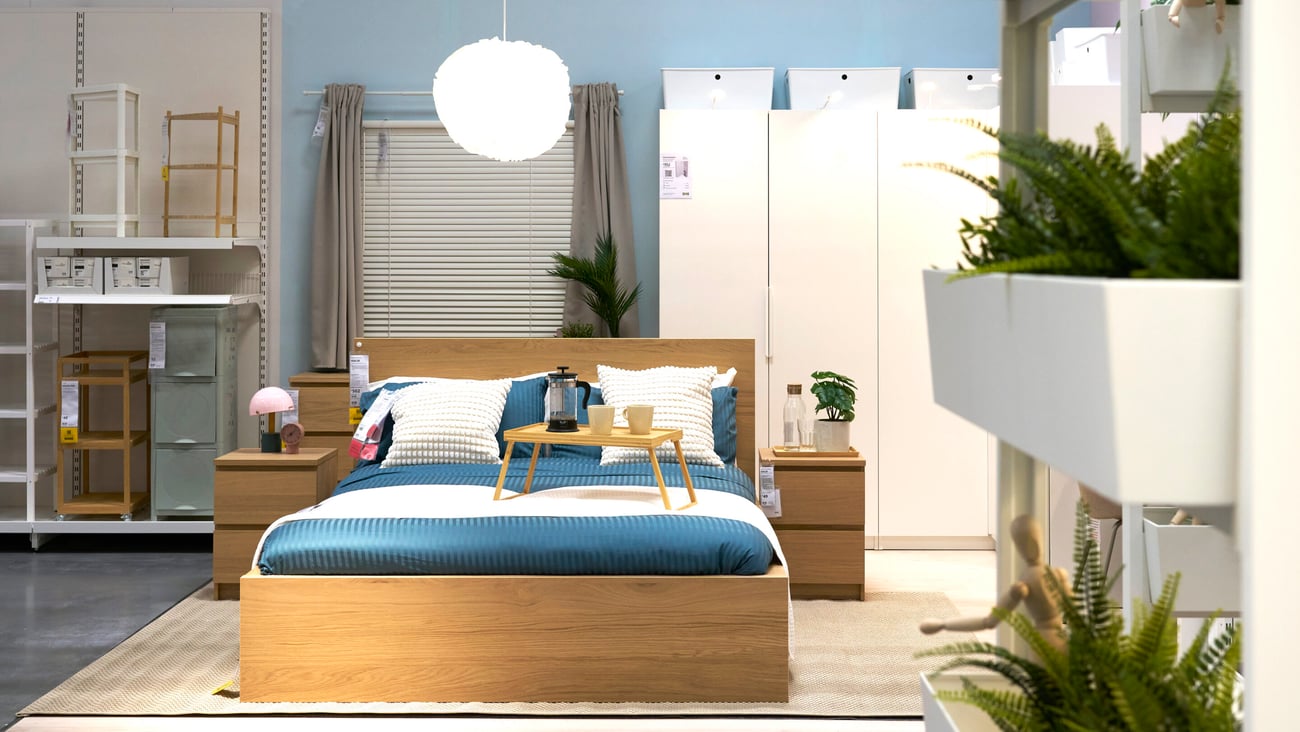
What makes an IKEA location today?
- Comes in many sizes and places – from smaller towns to metropolitan city centres
- Understands customers’ time, whether they have half a day or half an hour
- Offers inspiration and planning help from anywhere on the world map
- Appreciates its global recognition, while staying close to its local neighbours and their habits
- Is a team player at its best when classic, city and more compact stores work together with the website, the app and remote support
- Stays obsessed with low operating costs – so prices stay low too
About Ingka Group
With IKEA retail operations in 32 markets, Ingka Group is the largest IKEA retailer and represents 87% of IKEA retail sales. It is a strategic partner to develop and innovate the IKEA business and help define common IKEA strategies. Ingka Group owns and operates IKEA sales channels under franchise agreements with Inter IKEA Systems B.V. It has three business areas: IKEA Retail, Ingka Investments and Ingka Centres. Read more on Ingka.com.
Media enquiries
For further information, journalists and media professionals can contact us at [email protected] or by calling +46 70 993 6376.