Online service TaskRabbit helps IKEA customers to get their furniture assembled – while offering flexible work to the taskers.
During 2017, Ingka Group acquired TaskRabbit, an online, on-demand platform which makes it easy for people to hire others to carry out almost any kind of task for them. It’s a business that’s aligned with our vision of the future – more convenient, more digital, and more innovative.
TaskRabbit exists to make life easier for its users, but it’s also about giving anyone the opportunity to be able to do the work that suits them, whenever they want. Taskers choose their own schedules and can work around whatever else they have planned.
For some it can be a full-time job, and for others it can be a way of earning money whilst studying.
“I’m an independent financial adviser for my day job,” says Brandi, a tasker in Houston, Texas.
“So, if I have a lot of spare time in between clients, or a free day, I have my schedule open on TaskRabbit so I can make some extra money.”
Casey, a tasker in New Your City agrees, saying, “I originally started tasking to supplement my income, but it ended up being a really good source of income for me, especially when the IKEA program launched, so now I task full-time.”
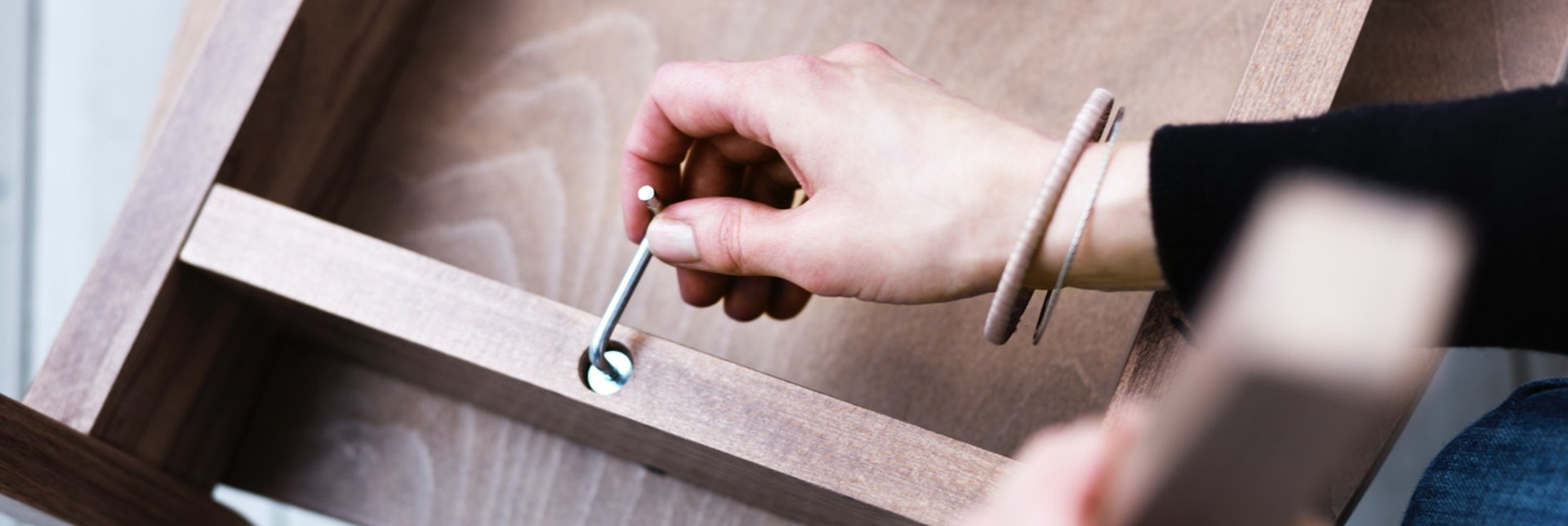
The IKEA program with TaskRabbit allows people in the USA, UK and Canada to not only purchase their furniture from IKEA, but get it assembled by a tasker through TaskRabbit. We wanted to improve our service offering, and TaskRabbit wanted a bigger footprint, so it was the perfect fit.
“I think it’s a win all round as taskers can work more, IKEA can sell more furniture, and customers get the convenience,” Casey says.
“For me personally, I love that I can cross-sell my skills to IKEA customers, as I also do painting, moving and delivery.”
TaskRabbit is set to launch in France during FY19, with other regions to follow in the coming years. Following a successful launch in Canada, we now have the blueprint for quicker, more efficient roll-outs, and the future of the partnership looks bright.
IKEA can help generate business for TaskRabbit and the taskers, and TaskRabbit offers a great service which makes IKEA more accessible.
For the taskers, it provides a different way of working, as Brandi says:
“I love the freedom and autonomy of it all. I can set my hours, work when I want to work, and do the kind of jobs I want to do.”
Read more
Read more about our efforts and achievements in our Annual Summary & Sustainability Report
At Ingka Investments, we look to the future by investing in the plastics recycling company, Morssinkhof Rymoplast.
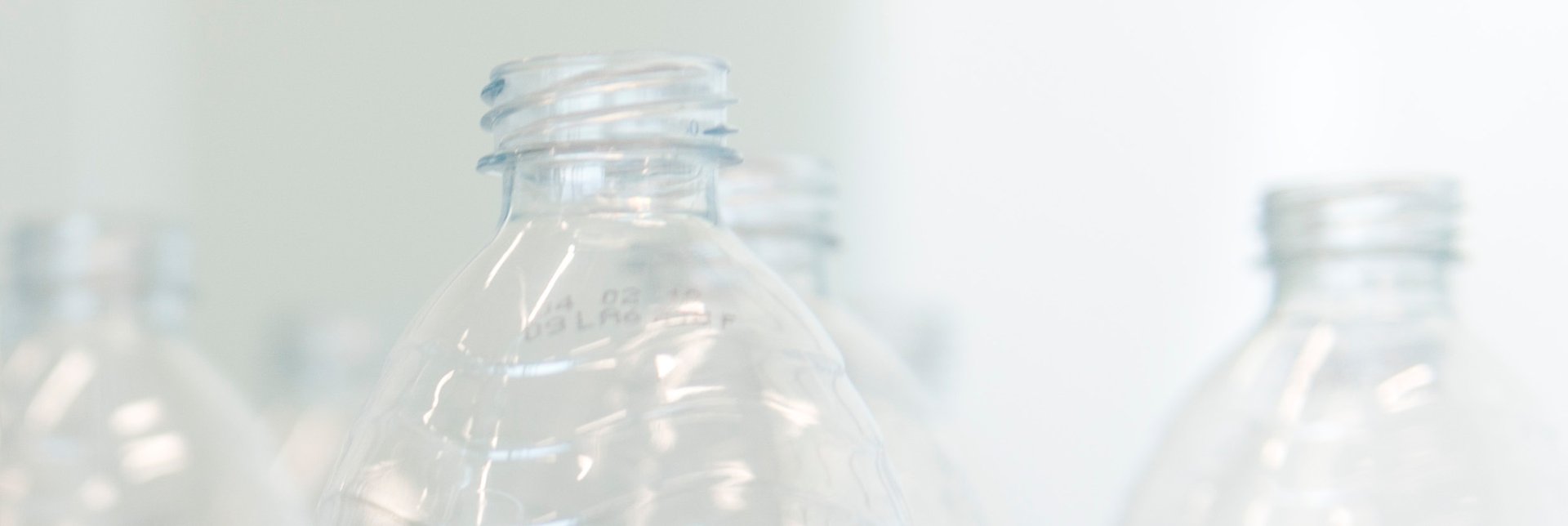
Morssinkhof Rymoplast, a plastics recycling company based in the Netherlands, is a family-run business which has been operating for over 50 years. In February 2017, Ingka Investments took the opportunity to invest in their future, but the resulting partnership is more than just an investment.
Room for growth
When we start planning to invest in a business, many aspects contribute to the decision-making process. Firstly, we need to be confident of growth, but it’s just as important that the businesses we invest in operate in a way which matches with our own core values.
Awareness is growing around single-use plastic waste, with many Ingka Group co-workers sharing these concerns. With that in mind, Ingka Investments explored the opportunity of investing in a plastics recycling business. This is a growing industry, so investing here makes financial sense, but promoting growth in this sector also contributes to building a more sustainable future.
“We looked at several companies and saw that Morssinkhof is one of the leading companies in the industry, with a long track record and history in the business. They use this knowledge to develop in a really great way,” says Lukas Visser, investment portfolio manager at Ingka Investments.
“We invested with the main goal of growth, and by the time we signed the agreement, plans for construction of a new plastics recycling plant had already been put in place. The new plant is due to open in 2019,” Lukas adds.
Morssinkhof already produces over 250,000 tons of recycled plastic raw materials every year, and this new plant will increase that figure, initially, by around 10%. This improved capacity means that Morssinkhof will be in a better position to meet increasing demands for recycled plastic products.
Positive partnership
This wasn’t just a cash contribution, but the start of what is set to be a long-term working partnership between Ingka Group and Morssinkhof. Lukas explains:
“We are in contact on a weekly basis. Where we can and where they appreciate it, we try to support the company in many ways. Whether that’s in strategy discussions, development plans, or financing arrangements, we are available to help our investee companies out when it’s appropriate.”
Eric Morssinkhof, owner of Morssinkhof Rymoplast, adds:
“There’s an increasing demand for recycled plastics we will be producing in the new plant, so we’re confident in the opportunity we have. The fact that Ingka Group supports this development underlines the growing awareness for using those post-consumer recycled raw plastic materials”
The mutually beneficial relationship may be in relatively early stages, but it’s already paying off for both partners. For us, we’re seeing an already successful company grow and improve, whilst also serving a positive purpose in the environment by increasing the amounts of recycled plastic products available. For Morssinkhof, they will be able to increase supply to fit demand, whilst also offering improved end-products.
“It’s now about making a statement – not using the resources of our planet, but becoming more sustainable organisation.“
– Eric Morssinkhof
A new recycling concept
“Our plans are to expand our production of recycled raw materials, as the demand for recycled plastics is growing,” says Eric.
“In our new facility we will be upgrading plastics to a raw material form, which allows the customer to use them for a wider range of products.”
The new plant will be able to sort plastics by colour in a more accurate, efficient way, solving one of the biggest problems in plastics recycling, where most of the output was black or grey.
Lukas adds:
“The new plant is the combination of conventional and new technologies mutually developed by Morssinkhof and its equipment suppliers. The combined set up of these technologies is highly innovative, and customers will now be able to buy clear or coloured recycled plastics.”
This innovation will benefit the customers, but it could mean more than that. If it is as successful as envisaged, it could be the kind of initiative which could be introduced in other regions, as Eric explains.
“This is a new recycling concept, so if it works here, we can copy and paste this approach to other regions around the world.”
Forward thinking
“When you look at the last 15 years the demand has grown significantly,” Eric says, “and that’s more from an environmental perspective. In the past it was an economic decision, but now it’s that sustainability is more important. It’s now about making a statement – not using the resources of our planet but becoming a more sustainable organisation.”
With the European Strategy for Plastics in a Circular Economy in place, it’s likely that demand for recycled plastic products will continue to increase. It’s a relatively simple way for businesses to improve their sustainability, and when Morssinkhof’s new plant is operational, they will be able to cater for these increases in demand and product range, Eric continues.
“The EU plastics strategy is promoting better collection of post-consumer plastics, making sure they’re recycled in Europe rather than elsewhere. From our perspective this will create a greater availability of plastics to recycle, but also will create a greater need for recycled plastic products in Europe.”
The fact that Morssinkhof takes these wider factors into consideration makes the partnership with Ingka Group an ideal fit, as sustainability is such an important driver for both businesses, Lukas adds.
“We have more developments in the pipeline. Plastics recycling is an essential focus area for us now, and maybe even more so looking into the future, and we really trust in this company to gain more market share and continue to innovate. The developed, in-house knowledge is really impressive, and something they should be proud of.”
Read more
Read more about our efforts and achievements in our Annual Summary & Sustainability Report.
We continue to invest in responsibly managed forestland
Share on social media
Wood is one of the most important renewable resources in today’s world. It goes into around two-thirds of IKEA products, so it’s important for us to have a positive influence on its future as a valuable organic material.
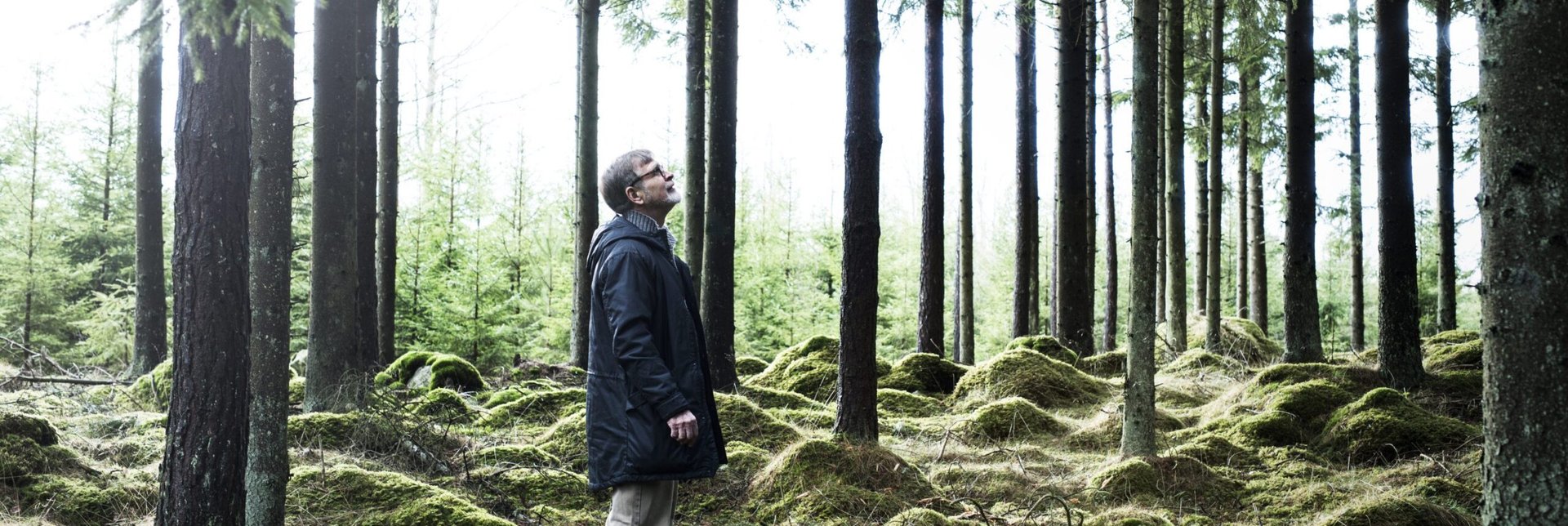
Since 2014, Ingka Group has bought forest land in various parts of the world, and by the close of FY20, we owned around 235,000 hectares in total, made up of areas in Romania, the Baltic states and the USA. This is all managed and maintained by 130 co-workers, with our forest in the USA being overseen by an external contractor.
As we plan to continue to expand our portfolio of forests, our priority is to do so in a responsible way. This is why, when managing new forests, we first apply to it our high internal standards for sustainable forest management, which include becoming certified by an International Certification Body in forest management.
In practise, this means that our forests are inspected annually, and that we need to follow the internationally agreed principles of good, careful and long-term forest management.
Costel Bucur, Compliance and Sustainability Manager Forestry Portfolio, Ingka Investments, explains: “With all of our forests, we work from day one on sustainable and certified forest management– in our opinion, currently the most credible scheme that applies on a global scale. This requires that we engage with all relevant stakeholders for transparency and improved management, balancing economic, social and environmental values and making all three of them thrive.”
We also see that a large part of our responsibility towards the land we own – and by extension the planet – is to restore forests and plant more than we harvest.
“Quite often we buy land that is either heavily harvested, or well-stocked but not well managed,” says Andriy Hrytsyuk, Forestry Portfolio Manager, Ingka Investments. “To remedy this requires a great deal of effort, time and money, but it also creates opportunities for a long-term owner like Ingka Group.”
“There’s no such thing as a short- term vision when you’re talking about responsible forest management,” Andriy continues, “because you have to allow for 10 to 20 years to see improvements in the forest – and up to 140 years to realise the income. Of course, we harvest the property – that’s how we get a return on the investment – but we do it responsibly, taking all social and environmental aspects into account. We also invest significant amounts in management and regeneration. During FY20, for example, we harvested around 1 million cubic metres and planted around 7.0 million seedlings.”
“The thing that makes me really proud is that we manage our forests as ecosystems, and not as crops or timber production facilities.“
– Costel Bucur
An intergrated approach
Regeneration is just one part of responsible forest management. The land we own is also home to many different species, of which some are protected, and the water courses of the forests can contribute to water supplies, so it’s vital these are kept clean. There are also social considerations, as we need to ensure local communities and bordering businesses are heard when it comes to planning investments and harvesting timber.
“We identify the areas important to biodiversity prior to any operations,” says Costel. “We carry out an assessment to discern the impact of our actions. Depending on the size and scale, we come up with measures to minimise the impact. The thing that makes me really proud is that we manage our forests as ecosystems, and not as crops or timber production facilities.”
These aspects are all part of our way of working and are what contribute to the international certification in forest management. To be successful in sustainable forest management, it’s vital to see the certification more as a support for our way of working, rather than a checklist of tasks. Part of this also means looking for input from all stakeholders – anyone from the people working in the forest itself, to its local institutions and communities.
“Having this integrated approach to management is vital,” adds Costel. “Because we’re providing more than just trustworthy sources of timber. We’re providing other services and products to society: well-regulated water courses, the right level of biodiversity and good protection of the agricultural lands bordering our forests.”
Forward-thinking forestry
As with any other industry, modern technology is starting to have a positive influence on forest management. Claudia Blagu, Digitalisation Project Leader, Forestry Portfolio, Ingka Investments, has seen how technology can facilitate more effective forest management:
“Part of our vision is to combine the use of technology with efficiency and sustainability goals,” she says.
“We started by adopting GIS (Geographical Information System), designed to capture, store, analyse, manage and present spatial or geographic data. This helps us to map all of our property and collect information in real-time and makes it easier to understand the impact of several forest-related decisions. It also helps us create transparency towards stakeholders, as we can present our information in an understandable way to both the authorities and the general public. Digitalisation can really help improve industry standards.”
That the industry in general is improving and adapting to changes that will have a positive impact in the future, is good news for Ingka Group. This is because we’re in this business for the long term.
“A lot of the forests we buy have great potential for improvement, and we try to do this over a longer period,” says Andriy. “We tend to invest significantly in forest improvement, as we want to see the results not just over the next ten years, but over the next 100.”
Read more
Read more about our efforts and achievements in our Annual Summary